



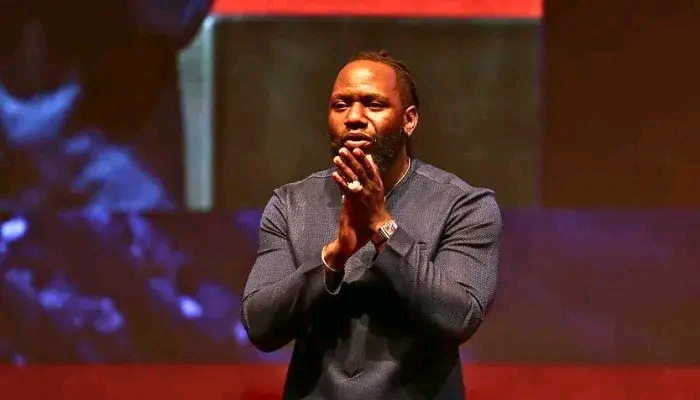

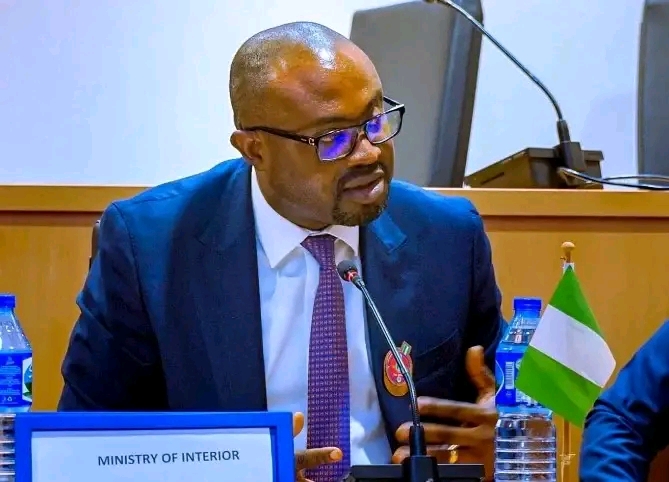
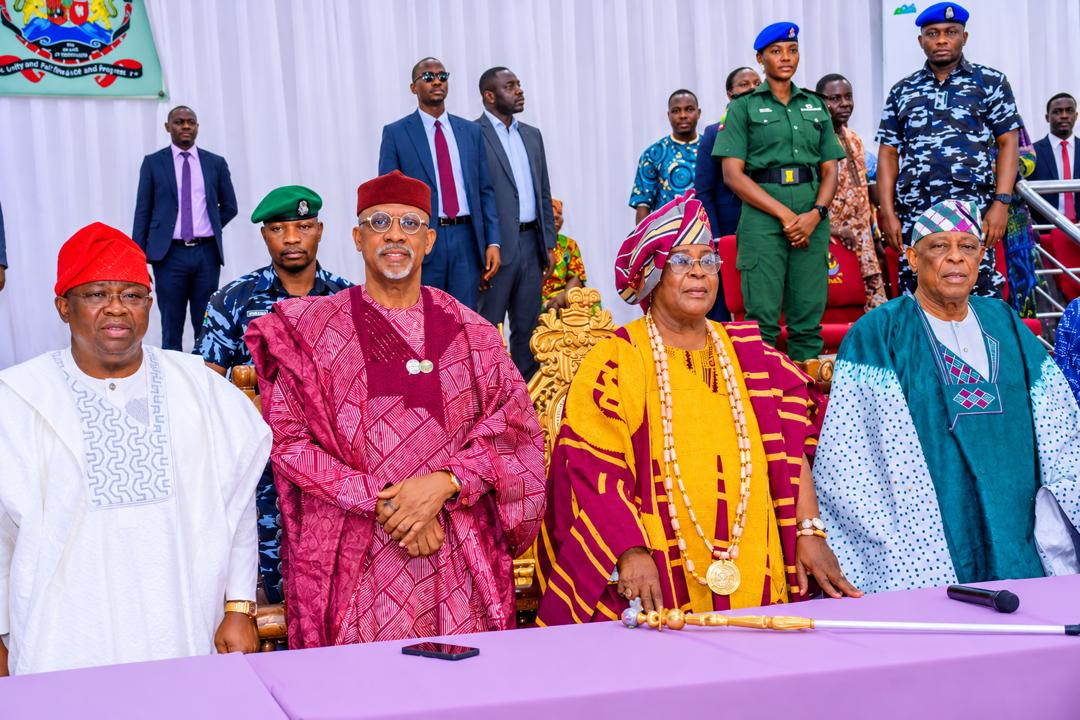




Community leader and humanitarian advocate, Asiwaju Dapo Wahab, has called for increased community participation, public enlightenment and responsible leadership in tackling Gender-Based Violence (GBV), stressing the need to address its root causes rather than merely responding to reported cases.
Wahab made the call during a media engagement on Saturday in Abeokuta, where he discussed the prevention of GBV and the role of community leadership in building safer societies.
He explained that Gender-Based Violence has far-reaching consequences for women, girls, families and communities, noting that its prevention requires sustained awareness, behavioural change, community mobilisation and deliberate efforts to challenge harmful cultural and social practices.
Drawing from his participation in the Faith-Inspired Change-Making Training for Religious and Traditional Leaders, organised by Ashoka Africa under the theme, “Guardians of Faith and Heritage: Mobilising Community Leadership for Primary GBV Prevention,” Wahab emphasised the importance of engaging influential community stakeholders in preventing violence.
He noted that traditional rulers, religious leaders, parents, government institutions, civil society organisations and the media have critical responsibilities in promoting respect, dignity, gender equality, accountability and the protection of women and girls.
According to him, faith, culture and heritage should serve as instruments of protection, justice, peace and positive transformation, rather than being misinterpreted to justify abuse, oppression or discrimination.
The community leader further described the media as a powerful instrument for public enlightenment, advocacy, education and behavioural change, commending OGTV for providing a platform to address the issue and contribute to efforts towards building a safer society.
Wahab, who is also an advocate for community transformation and humanitarian development, reaffirmed his commitment, through the Asiwaju Dapo Wahab Foundation, to promoting women’s empowerment, social inclusion, peacebuilding, human dignity and violence-free communities.
He maintained that Gender-Based Violence should not be treated as a private matter to be concealed or ignored, insisting that its prevention remains a collective responsibility.
He urged members of the public to speak out against abuse, promote education, intervene responsibly and work together to ensure that women and girls are protected from violence, exploitation and discrimination.
Wahab called for a society where faith, culture, leadership and humanity are deployed to defend the dignity, safety and rights of every individual.

