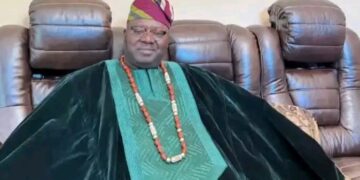




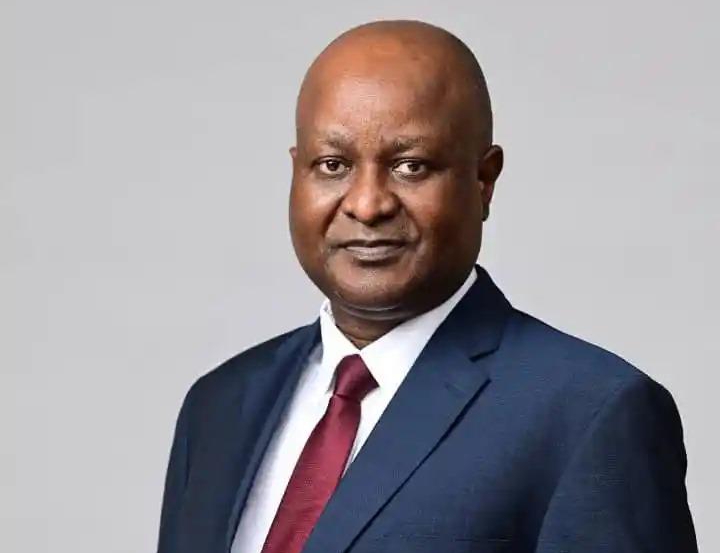
A former Deputy Governor of the Central Bank of Nigeria, Dr. Tunde Lemo, has said the economic reforms introduced by Tinubu were unavoidable, insisting that Nigeria would have slipped into bankruptcy if the government had failed to take tough decisions.
Lemo stated this on Thursday while speaking on Frontline, a current affairs programme on Eagle 102.5 FM, Ilese Ijebu. According to him, although the reforms came with hardship, they have helped stabilise the economy and placed the country on a path of gradual recovery.
He described the Nigerian economy as resilient, noting that inflation has started trending downward, exchange rate volatility has eased, and food pressures reduced towards the end of 2025.
“We thank God because we are beginning to see light at the end of the tunnel. The economy is resilient,” Lemo said.
While admitting that prices are still high, he explained that both headline and food inflation have been declining consistently, stressing that December 2025 marked a major turning point.
“For the first time in December, we didn’t need to queue for food. Those who bought right will tell you prices were about 20 percent cheaper than the previous year,” he said, attributing the development to the removal of fuel subsidy.
Lemo argued that the decision to end subsidy, though painful, restored product availability and eased pressure on supply chains.
“Yes, subsidy was taken away and there were price spikes, but it brought in sufficient product. Prices are now trending downwards,” he added.
On monetary policy, the former CBN deputy governor defended the decision to retain the Monetary Policy Rate at 27 percent, explaining that policymakers must be guided by sustained trends rather than isolated data.
“You cannot react to a reduction in inflation in one month. You must ensure the trend is continuous,” he said, while expressing optimism that interest rates could begin to ease after the next Monetary Policy Committee meeting if inflation continues its downward movement.
Lemo also defended the new tax regime, dismissing criticisms that the timing was wrong. He said taxation is the foundation of governance and warned that continued reliance on borrowing or central bank financing would only worsen inflation.
“It is only in Nigeria that people want government to provide everything but do not want to pay tax,” he said.
He clarified that minimum wage earners would not be taxed once statutory reliefs such as pension and housing deductions are applied. He also noted that traders with an annual turnover below ₦100 million are exempt under the new law.
“Would a woman selling pepper by the roadside make ₦100 million a year? The law protects the poor more than the rich,” he said.
According to Lemo, resistance to the tax reform is being driven largely by wealthy Nigerians who have avoided paying taxes in the past.
“The elites are the ones fighting this tax. The poor don’t even have access to these conversations,” he said.
While acknowledging public concerns about corruption and misuse of funds, Lemo insisted that refusing to pay tax is not the solution.
“You must pay your tax first and then demand accountability. That is how you stand on moral high ground,” he said, urging Nigerians to also hold local government officials accountable.
On fuel supply, Lemo dismissed claims that the Dangote Refinery alone ended scarcity, saying subsidy removal made the refinery economically viable.
“If subsidy had continued, Nigeria would have been bankrupt by now,” he said.
He also supported the ongoing recapitalisation of banks, describing it as necessary for Nigeria’s ambition of becoming a one trillion dollar economy. According to him, the new capital requirements merely reflect inflation-adjusted values of earlier reforms.
Lemo further backed the return of tolling on major highways, arguing that tolls are cheaper in the long run compared to the cost of bad roads.
“When roads are bad, you spend more fuel, more time and more money. Tolling is more efficient,” he said.
On the agitation for the creation of Ijebu State, Lemo opposed the move, describing further state creation as a waste of resources. He said constant balkanisation only increases recurrent expenditure without improving development.
“Development does not come from breaking ourselves into bits and pieces,” he said, urging leaders to focus on resource management and institutional strength.
Despite public scepticism, Lemo maintained that the current economic direction is unavoidable.
“These reforms are tough, but they are necessary. Without them, Nigeria would not survive,” he concluded.