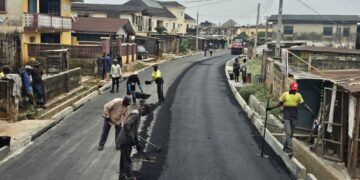




The Federal Government has proposed a N1.7tn allocation in the 2026 Appropriation Bill to settle unpaid debts owed to contractors who handled federal capital projects executed in 2024.
Details of the proposed budget show that the amount was captured under a specific line item titled “Provision for 2024 Outstanding Contractor’s Liabilities”, a move that signals official acknowledgement of delayed payments that have triggered protests by contractors in recent months.
The provision comes amid sustained pressure from indigenous contractors and civil society groups who, throughout 2025, raised concerns over mounting unpaid obligations estimated to be above N2tn. Many of the affected contractors had complained that the delays crippled their operations and left them unable to repay bank loans obtained to execute government projects.
Under the umbrella of the All Indigenous Contractors Association of Nigeria, several contractors staged protests in Abuja, accusing the government of repeated assurances without corresponding payments. They argued that projects had been completed and, in some cases, commissioned, yet funds were not released.
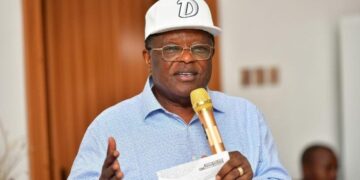
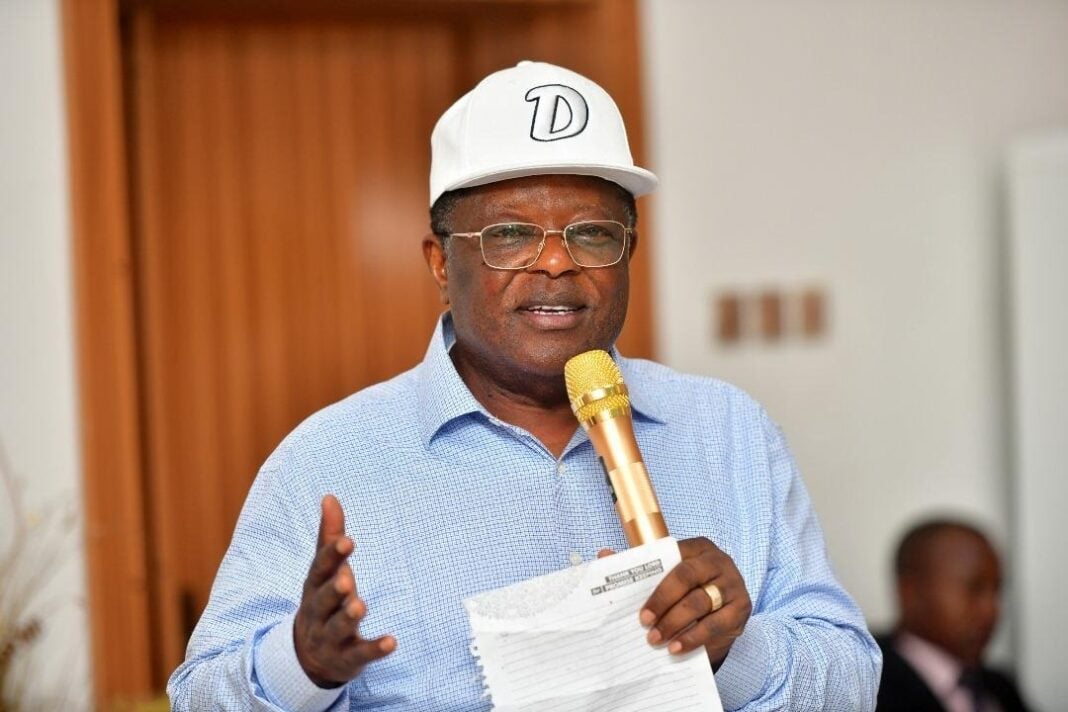
Earlier, the Minister of Works, David Umahi, had pledged that verified arrears owed to contractors would be cleared before the end of 2025. However, only partial payments were reportedly made due to revenue challenges, prompting the inclusion of the N1.7tn allocation in the 2026 budget as a corrective step.
Beyond the N1.7tn earmarked for 2024 liabilities, the government also set aside an additional N100bn under another line item labelled “Payment of Local Contractors’ Debts and Other Liabilities”. This allocation is expected to address legacy debts, smaller contract claims, and financial obligations that were not fully verified during the last audit cycle.
Together, the N1.8tn provision forms part of the proposed N23.2tn capital expenditure in the 2026 fiscal plan. The capital budget is aimed at accelerating infrastructure delivery while addressing lingering obligations from previous fiscal years.
Nigeria’s contractor debt backlog has remained a recurring fiscal challenge, worsened by delayed capital releases, partial cash backing of approved projects, and weak revenue performance.
Speaking with journalists in December 2025 at the Federal Ministry of Finance in Abuja, the National Secretary of the All Indigenous Contractors Association of Nigeria, Babatunde Seun Oyeniyi, said members of the association were owed more than N500bn for projects already completed.
He said contractors had resumed protests after the government failed to release funds despite multiple assurances. “After the National Assembly intervened, they told us they would sit the minister down over this matter, and we immediately stopped the protest,” he said, adding that no payment followed the intervention.
Oyeniyi explained that repeated visits to the ministry yielded no results. “They have not responded to our request. In fact, more than six times we have come here. Last week, we were here throughout the night before the Minister of Finance came,” he said.
According to him, although payment warrants were sighted, funds were not released. “When we collate, they are owing more than N500bn for all indigenous contractors. We only see warrants; there is no cash back,” he said.
He also accused officials of attempting to defer the payments to the next fiscal year. “They want to shift us to 2026. They will turn us into debt, and we don’t want that,” he said.
However, the Federal Government had earlier claimed that it cleared more than N2tn in outstanding capital budget obligations from the 2024 fiscal year. The Minister of Finance and Coordinating Minister of the Economy, Wale Edun, disclosed this during a ministerial briefing in Abuja in August 2025.
“In the last quarter, we paid contractors over N2tn to settle outstanding capital budget obligations from last year,” Edun said, adding that the focus would shift to timely release of 2025 capital funds.
By December 2025, Tinubu expressed concern over the backlog of unpaid contractors and directed the setting up of a high level committee to verify claims and resolve the payment bottlenecks.
Briefing journalists after a Federal Executive Council meeting, the Special Adviser on Information and Strategy, Bayo Onanuga, said the President was displeased after learning that about 2,000 contractors were owed and demanded a comprehensive solution.
The proposed 2026 budget stands at N58.47tn, with N23.2tn allocated for capital expenditure, N15.9tn for debt servicing, N15.25tn for recurrent spending, and N4.09tn for statutory transfers. The contractor payment provisions are expected to be disbursed in phases, based on verified and certified claims.