




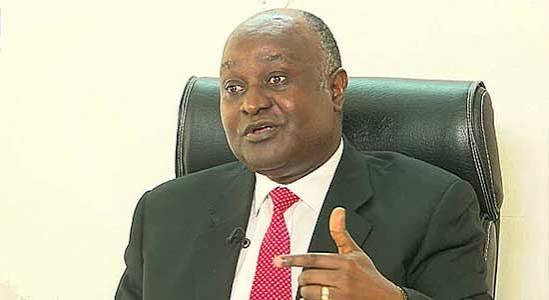
Former Deputy Governor of the Central Bank of Nigeria, Tunde Lemo, has said the removal of both petroleum and foreign exchange subsidies under Tinubu fundamentally reset the Nigerian economy and laid the foundation for long term stability.
Lemo made the remarks during an interview on a TVC programme on Monday, where he spoke on the impact of the administration’s economic reforms and the current state of the Naira.
According to him, many Nigerians focused only on the removal of petrol subsidy, without recognising that what he described as a foreign exchange subsidy was also eliminated.
He explained that the simultaneous removal of the two distortions created a new price discovery mechanism in the economy.
“It was tough at the beginning, but we now have a new price discovery and a new equilibrium,” he said.
Lemo noted that the reforms have improved resource allocation, particularly in the foreign exchange market, adding that Nigeria is now experiencing relative exchange rate stability and a more predictable outlook.
He said the Naira is unlikely to face serious depreciation unless there are major external shocks such as geopolitical crises.
He also pointed out that increased local refining of petroleum products has reduced pressure on foreign exchange, since a large share of forex earnings is no longer spent on fuel imports.
The former CBN Deputy Governor added that exchange rate stability has encouraged firms to look inward and expand non oil exports, noting that the previous overvaluation of the currency had weakened Nigeria’s competitiveness.
While acknowledging that the reforms came with initial hardship, Lemo maintained that they have repositioned the economy for sustainable growth, provided fiscal and monetary authorities continue to work in coordination and maintain discipline.