



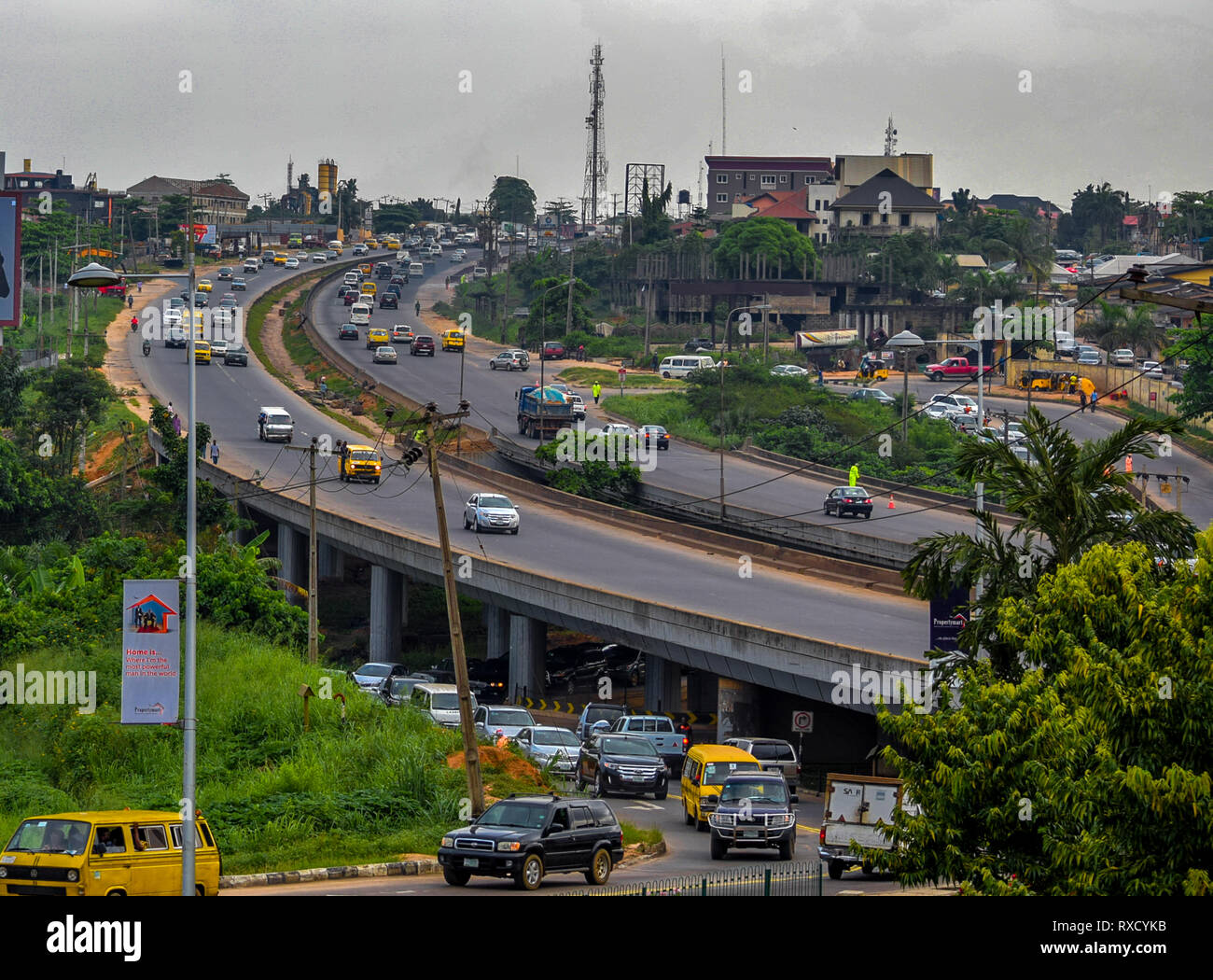
The Lagos State Government has dismissed claims that a blood-sucking demon is responsible for recurring fatal accidents on the Otedola Bridge, attributing the incidents to reckless driving, drug use among truck drivers, overloading and trading activities around the bridge.
The government said engineering assessments had confirmed that the bridge had no structural defects, urging motorists to exercise caution and adhere to road safety regulations to prevent avoidable accidents.
The General Manager of the Lagos State Traffic Management Authority (LASTMA), Olalekan Bakare-Oki, disclosed this during the state’s 2026 Media Parley with transportation correspondents in Lagos on Thursday.
Bakare-Oki explained that investigations into the recurring accidents had identified the behaviour of some truck drivers as a major contributing factor.
According to him, some drivers allegedly resort to narcotic substances to remain awake while driving for extended periods, thereby endangering themselves and other road users.
He noted that many of the accidents occurred as trucks were leaving Lagos after loading goods at the ports.
The LASTMA chief said some drivers appeared to be in good condition when arriving at the ports but allegedly engaged in drug use after loading their cargoes to remain active behind the wheel during long journeys.
He added that the high volume of commercial activities in Lagos also contributed to the pressure on roads around the bridge.
Bakare-Oki explained that more than 60 per cent of goods destined for other parts of Nigeria and some West African countries left through Lagos, resulting in significant vehicular movement and increased risks of road accidents.
Also speaking, the Lagos State Commissioner for Transportation, Oluwaseun Osiyemi, said the government had approached the Federal Ministry of Works for an assessment of the bridge following concerns over the frequency of accidents.
Osiyemi said the examination established that the bridge had no engineering defects, dismissing the widely circulated belief that the location was responsible for supernatural deaths.
He, however, identified trading activities around the bridge as another major cause of accidents, noting that traders sometimes occupied one lane during busy trading periods, thereby obstructing traffic and exposing motorists to danger.
The commissioner also raised concerns over the overloading of trucks, particularly petroleum tankers, saying some operators exceeded the approved carrying capacity of their vehicles.
He cited instances in which tankers designed to transport 33,000 litres of petroleum products allegedly carried as much as 45,000 litres, increasing the potential risks associated with road crashes.
Osiyemi maintained that the recurring accidents should be understood within the context of human behaviour, commercial activities and violations of road safety regulations rather than supernatural explanations.
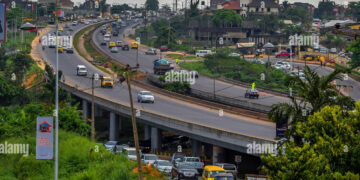
The government’s position comes amid public concern over repeated accidents around the Otedola Bridge, a major route connecting parts of Lagos with other areas along the Lagos-Ibadan Expressway.
The state government urged motorists, particularly truck drivers, to observe safety regulations and avoid practices that could endanger lives, while also drawing attention to the need to prevent trading activities from obstructing traffic around the bridge.