



As the road to the 2027 general election gradually takes shape, the political atmosphere across Nigeria is already thick with permutations, alignments and quiet negotiations. In many states, the battle is not yet between parties. It is within parties.
In Ogun State, the All Progressives Congress, APC, is becoming the main theatre of what promises to be one of the most intense intra party contests in recent history.
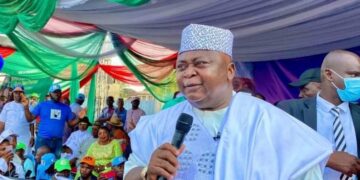
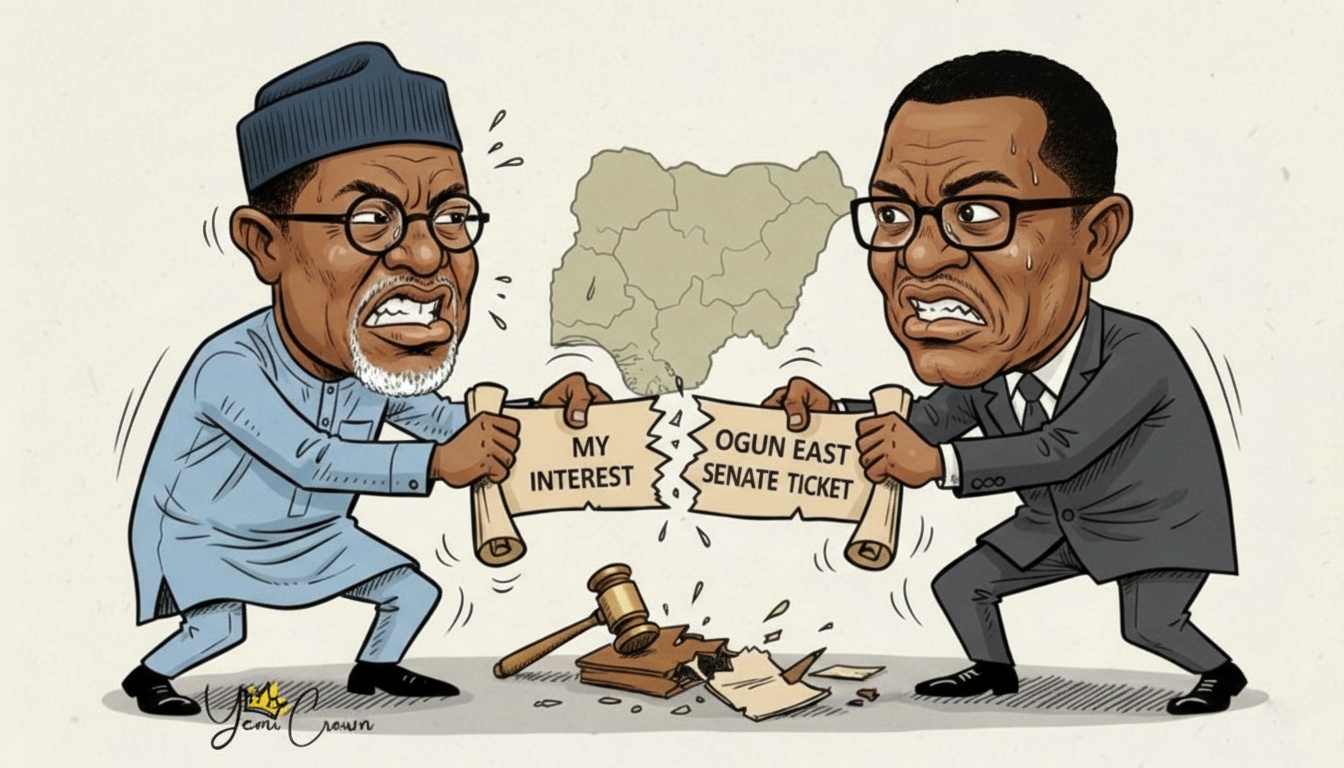
At the centre of this unfolding drama are two towering political figures. Gbenga Daniel, former governor of Ogun State and current Senator representing Ogun East, and Dapo Abiodun, the sitting governor who is widely believed to be eyeing the same Senate seat in 2027.
Both men are products of the same political structure. Both have, at different times, shared public camaraderie. Today, they appear headed for a collision course over who flies the APC flag for the senatorial ticket.
This is more than a contest of ambition. It is a test of political strength, legacy, structure and survival.
For Senator Daniel, the Senate represents continuity. After serving as governor for eight years, he reinvented himself at the national level and secured a seat in the National Assembly. His camp argues that his legislative experience, influence and seniority in Abuja give Ogun East a stronger voice. They believe incumbency in the Senate, combined with grassroots networks built over decades, positions him as the natural choice for continuity.
Governor Abiodun, on the other hand, stands on the strength of executive power and the influence that comes with it. As the sitting governor, he controls party machinery at the state level, oversees political appointments and commands loyalty across local government structures. Those close to him argue that transitioning from the Government House to the Senate is a strategic move that ensures his political relevance while sustaining his grip on the state’s political architecture after leaving office.
What makes this contest particularly delicate is that both men belong to the same political family, the All Progressives Congress. The APC in Ogun State has historically been shaped by strong personalities. When such personalities clash, the ripple effects can fracture party unity and open doors for opposition forces.
The irony is difficult to ignore. Politics often breeds strange alliances and even stranger rivalries. Those once seen exchanging pleasantries at public events may now find themselves mobilising loyalists against each other in ward meetings and caucus gatherings. The shift from friendship to rivalry is not new in Nigerian politics, but in this case, the stakes are unusually high.
The 2027 race is still some distance away, yet the early signals suggest a prolonged battle. This may not be a loud war fought on billboards and open rallies, at least not yet. It may begin quietly through endorsements, strategic appointments, subtle reshuffling of party executives and calculated grassroots engagement.
There is also the question of fairness and zoning. Ogun East, like other senatorial districts, has its internal expectations about representation and balance of power. Party elders will have to weigh continuity against transition, loyalty against ambition, and stability against internal democracy.
At the national level, the APC leadership will be watching closely. Ogun State remains politically significant in the South West. A divided house could weaken the party’s broader calculations heading into the presidential and National Assembly elections. If the primary process becomes bitter, reconciliation may prove difficult.
For the electorate, however, the real issue should go beyond personalities. Ogun East deserves representation anchored on performance, integrity and tangible results. The debate should focus on legislative achievements, constituency projects, economic impact and future plans, not merely on political dominance.
Will the contest strengthen internal democracy within the APC, or will it deepen cracks that opposition parties can exploit. Will it produce a candidate who emerges through consensus, or one imposed by superior political machinery. These are questions that will define the coming months.
One thing is certain. The 2027 election cycle has already begun in Ogun State. The battle for the Senate seat between Senator Gbenga Daniel and Governor Dapo Abiodun may reshape alliances, redraw loyalties and redefine the future of the APC in the state.
In politics, there are no permanent friendships, only permanent interests. As Ogun State inches closer to 2027, those interests are beginning to surface, and the contest ahead promises to be as strategic as it is personal.
Adejola Adeyemi Crown, Publisher Tropic Reporters