



By: Alhaji Korede Quadri (KQ) FCIB
The controversy surrounding the selection of a new Awujale of Ijebu-Ode in Ijebuland has gradually transformed from a routine traditional succession into a national conversation about transparency, responsibility, and respect for tradition. What should have been a dignified cultural process has instead produced suspicion, accusations, and confusion within and beyond Ijebuland.
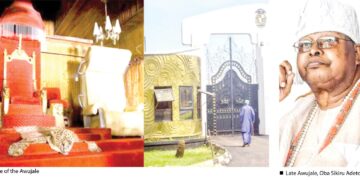
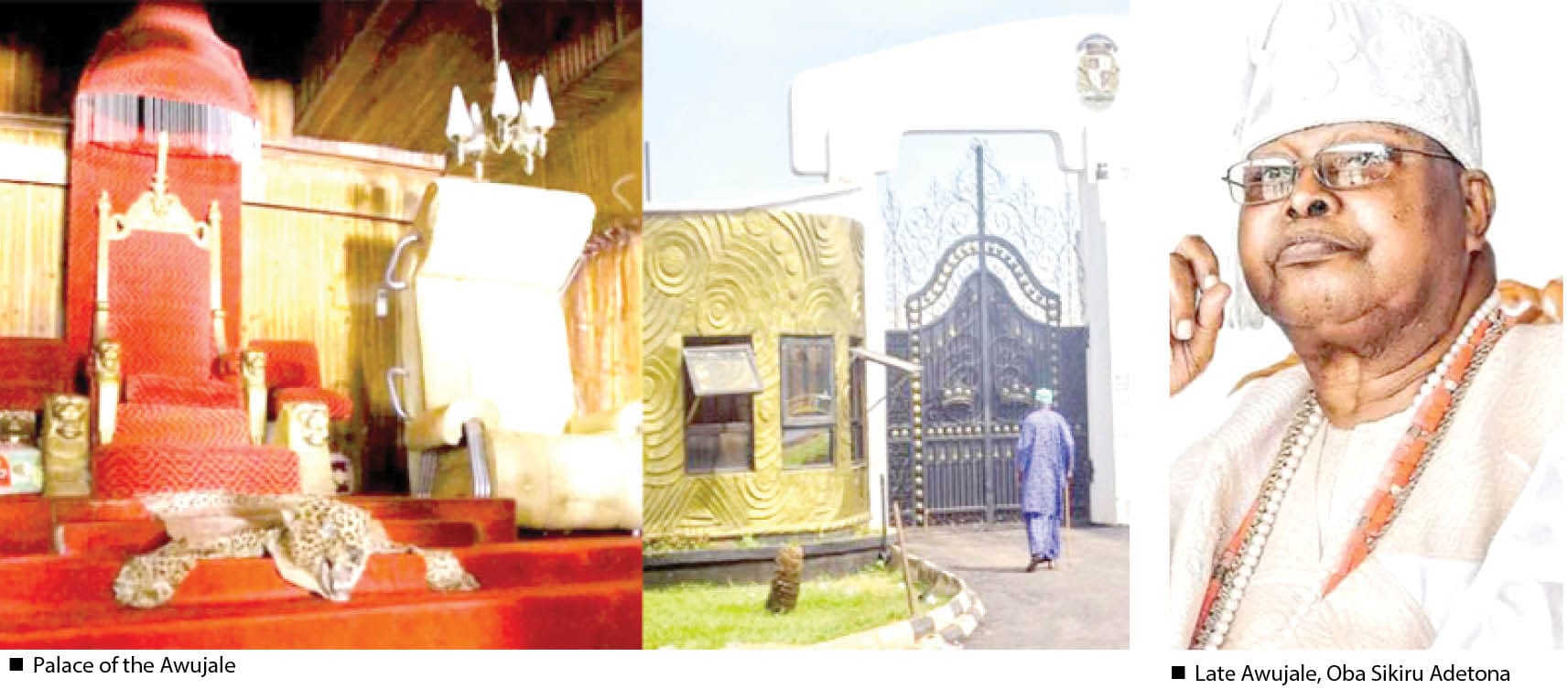
The throne became vacant after the passing of Oba Sikiru Kayode Adetona, a monarch whose more than six decades on the throne reshaped the political, cultural, and economic standing of Ijebuland. His reign brought stability and global recognition to the ancient kingdom, making the question of who succeeds him not merely a traditional exercise but a matter of deep communal importance.
Following his death, the responsibility of producing candidates for the throne fell to the Fusengbuwa Ruling House. Traditionally, such a responsibility is sacred. It demands honesty, discipline, and above all, collective sincerity among family leaders. Unfortunately, the developments that followed have raised legitimate questions about whether that sacred duty was handled with the seriousness it deserves.
At the heart of the controversy is the startling presentation of ninety five (95) candidates to the Afobaje, the kingmakers responsible for selecting the next Awujale. This decision alone illustrates the central problem in the process. Submitting such an extensive list can hardly be described as careful screening. Instead, it suggests a failure by the ruling house to properly carry out its primary duty of narrowing the field to a manageable and credible number of qualified princes.
In most traditional succession arrangements, the ruling house performs a rigorous internal screening exercise before forwarding a shortlist of candidates. Such screening ensures that only those who possess the character, lineage credibility, and acceptance required for the throne move forward. The expectation within Ijebuland was that perhaps five (5) carefully vetted candidates would be presented to the kingmakers, allowing them to conduct a thorough and dignified selection.
Presenting ninety five (95) names effectively shifted the burden of decision making from the ruling house to the kingmakers and, indirectly, to the government. That approach created unnecessary confusion and made the process cumbersome, if not entirely unmanageable. Rather than clarifying the path to the throne, it complicated it.
The result has been a climate of speculation, rumour, and political interpretation. Allegations of bribery, influence, and internal disagreements soon surfaced. At one point, there were claims that two candidates had been secretly submitted to the government, an allegation the government later dismissed as false. Regardless of whether such claims were factual or not, the damage to public confidence had already been done.
Faced with rising tension, petitions, and security concerns, the Ogun State Government announced the suspension of the selection process on January 21, 2026. The decision reflected the seriousness of the situation and the need to prevent the matter from escalating into a wider crisis.
In the midst of the controversy, the Chairman and Olori Ebi of the Fusengbuwa Ruling House, Otunba Abdullateef Abdulaziz Owoyemi, has now spoken publicly on the issue. During a live radio appearance, he rejected claims that external forces were attempting to impose a candidate on Ijebuland.
According to him, neither His Excellency, President Bola Ahmed Tinubu nor His Excellency, Prince Dapo Abiodun, Governor of Ogun State is interfering in the process. He also insisted that he would not compromise the integrity of the selection procedure regardless of pressure or inducement. In addition, he revealed that although government officials referenced several petitions concerning the succession, the ruling house had not been formally served with any document requiring a response.
These statements are significant because they help address one of the most persistent rumours surrounding the succession. The names of His Excellency, President Bola Ahmed Tinubu and His Excellency, Prince Dapo Abiodun, Governor of Ogun State have repeatedly appeared in public discussions, with some suggesting that powerful political interests might attempt to influence the outcome.
Yet, both leaders have maintained that the process must follow due process and the established chieftaincy laws of Ogun State. Governor Abiodun has clearly stated that he has no intention of imposing any candidate on Ijebuland, a position that deserves recognition.
It must also be acknowledged that the President himself is widely known for insisting on due process in governance. Given that tradition and law guide the selection of traditional rulers, there is little reason to assume that the federal government would attempt to dictate the outcome of such a culturally sensitive process.
Nevertheless, the central challenge remains within the ruling house itself. The responsibility of presenting credible candidates rests squarely on its shoulders. If transparency, sincerity and clarity of purpose had been applied at the initial stage, the present confusion would likely have been avoided.
The leaders of the Fusengbuwa Ruling House must therefore reflect deeply on the situation. Internal disagreements, personal interests, and factional loyalties must not be allowed to overshadow the sacred responsibility entrusted to them by history and ancestry. The throne of the Awujale is not a political office to be contested through intrigue. It is a cultural institution that commands respect across generations.
There is also an important role for respected elders within Ijebuland. Among them is the Ogbeni Oja High Chief (Dr) Sanny Kuku, who is also the Regent of Ijebu – Ode, and whose reputation for integrity extends beyond the kingdom to the national and international stage. At a time when tensions threaten to divide opinion within the ruling house, figures of such standing must help guide the process back toward fairness and credibility.
What Ijebuland requires now is leadership that cannot be swayed by pressure, financial inducement, or external influence. The selection of a monarch should reflect character, tradition, and the collective interest of the people, not the financial strength or political connections of individual contenders. Anyone who emerges as the Awujale of Ijebu – Ode and Paramount Ruler of Ijebuland will be subject to the Federal Government and Ogun State Government, so those bringing names of preferred candidates should desist.
History offers a powerful reminder in this regard. When Oba Sikiru Kayode Adetona was selected decades ago, he was still a student. Wealth, influence, and status did not determine his emergence. Instead, the decision reflected the wisdom of elders who recognised potential and believed the community would support him.
That support eventually came from the people of Ijebu-Ode and Ijebuland in general, who contributed their resources, influence, and goodwill to strengthen the throne. The success of his reign demonstrates that the true strength of a traditional institution lies not in the wealth of the individual monarch but in the unity of the community that stands behind him.
For this reason, the present situation must not be allowed to descend into litigation. Court battles would only prolong the uncertainty and deepen divisions among the princes and the wider community. Traditional processes should be resolved through dialogue, consensus, and respect for established procedures.
The accusations currently circulating, including allegations of bribery and corruption, must also be addressed transparently. Where wrongdoing is established, the appropriate authorities should apply the provisions of the chieftaincy laws of Ogun State without hesitation. Accountability is essential if public confidence in the process is to be restored.
Ultimately, the future of the Awujale throne depends on the wisdom and sincerity of those entrusted with the responsibility of producing the next monarch. The ruling house must return to the fundamentals of fairness, transparency, and collective responsibility.
Ijebuland deserves a process that reflects the dignity of its history and the honour of its ancestors. The throne that once produced one of the most respected traditional rulers in Nigeria must not become a symbol of division.
The task now is clear. The ruling house must conduct a sincere screening exercise, reduce the number of candidates to a credible shortlist, and present those names to the kingmakers for proper consideration. Only through such an approach can confidence be restored and the path cleared for the emergence of the next Awujale.
When that moment comes, the chosen monarch will not only inherit a throne but also the responsibility of preserving the unity, identity, and pride of Ijebu-Ode and Ijebuland in general for generations yet unborn.
By Alhaji Korede Quadri (KQ), FCIB
Concerned Indigene of Ijebu-OdeMonday 9th March, 2026