



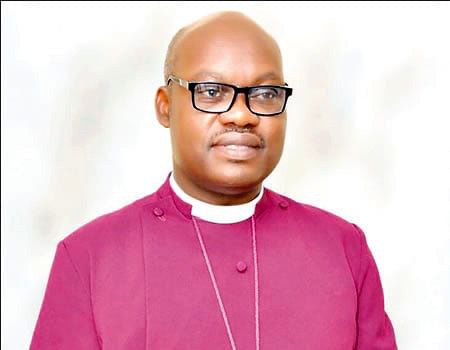
The Anglican Bishop of Owo Diocese, Stephen Ayodeji A. Fagbemi, has raised fresh concerns over the worsening state of insecurity in Nigeria, describing the situation as frightening and warning that many citizens now live in constant fear due to increasing attacks by terrorists, bandits and kidnappers.
Fagbemi spoke during an appearance on Frontline, a public affairs programme on Eagle 102.5 FM, where he lamented the growing threats facing communities and religious institutions across the country.
“The security situation has reached a level that is frightening for all Nigerians,” the bishop said, adding that insecurity now determines how citizens live their daily lives.
According to him, the experience of Owo and surrounding communities shows the urgent need for stronger intervention by government authorities.
“Years ago, security was something we worried about occasionally. Today, it dictates how every Nigerian lives and moves. What people tend to talk about are the incidents that gain publicity, but there are others people hardly hear about. Many have suffered in the hands of terrorists. They have been kidnapped, attacked and some killed. It is a worrying trend in our communities,” he said.
He explained that the climate of fear has begun to affect religious activities in many areas.
“There are church activities that now have to either be put on hold or suspended completely. It is disturbing that we have reached this level in our discussions about security,” Fagbemi said.
The bishop also recalled the traumatic attack on St. Francis Xavier Catholic Church during a Pentecost Sunday service in 2022, an incident that shocked the country and the international community.
“It was Pentecost Sunday. I was only about 400 meters away when chaos erupted. People were running and hiding, and the entire community was gripped with fear. Later we learned that innocent worshippers had been killed. It was horrific, sad and terrifying. You would never want such a thing to happen anywhere,” he said.
Fagbemi said the trauma from the attack continues to affect residents in the area.
“Even now, people are anxious about attending church. Fear has become part of everyday life. The attack could have happened anywhere in Owo, not just that church, and that reality continues to weigh heavily on everyone,” he added.
The bishop also criticised the slow pace of justice in the case, noting that suspects arrested after the attack are still facing trial several years later.
“Over three years later, the perpetrators are still awaiting trial. Families are traumatised and justice delayed is justice denied. The courts must act swiftly to restore confidence in the system,” he said.
Fagbemi warned that delays in prosecuting offenders could embolden criminals.
“If criminals see no consequences for their actions, they will continue. Government must act decisively to deter future atrocities,” he added.
He further observed that many cases of kidnapping and attacks across the country remain underreported.
“There are abductions and attacks that never make the headlines. Families suffer in silence. People live in constant fear and the government must not ignore these tragedies,” he said.
The bishop stressed that insecurity also affects social and economic life in many communities.
“Insecure communities cannot thrive. Businesses are disrupted, schools are closed and religious gatherings are curtailed. When fear becomes the norm, development suffers,” he noted.
He also lamented the financial burden placed on churches that now have to provide security for their congregations.
“Even small congregations are forced to fund security arrangements. Some barely survive on weekly offerings, yet they must provide fuel for police officers on duty. This situation is unsustainable,” he said.
“Security is a constitutional duty, not a favour to be bought. Citizens should not be expected to pay for protection in their own communities,” the cleric added.
Fagbemi called on federal, state and local authorities to take more proactive steps in addressing the country’s security challenges.
“Government at all levels must fulfil its responsibility to protect lives and property. Failure to do so fuels fear and despair among citizens,” he said.
He also suggested reforms such as the creation of state police and improved security infrastructure.
“If state governments had dedicated police structures, response time would improve and officers would be more accountable to the communities they serve,” he said.
The bishop further advocated investments in modern surveillance technology.
“We need tools like drones, helicopters and stronger intelligence systems. Security must not be symbolic. It must be effective and responsive,” he said.
Fagbemi concluded by urging authorities to intensify efforts to guarantee the safety of citizens across the country.
“Security is the foundation of peace and development. Without it, the economy, education and social life suffer. Our communities deserve peace and our children deserve safety. Government must ensure that security is treated as a fundamental duty,” he said.