




– Adejola Adeyemi Crown
The Nigerian Red Cross Society, Ogun State Branch, has said its ongoing disaster risk reduction project has improved flood preparedness and resilience among vulnerable communities across the state.
According to a statement released by the branch, the project, tagged Resilience Building through Multi-Stakeholder Engagement in Anticipatory Action for Climate-Induced Disasters, is being implemented in riverine areas including Shokori in Abeokuta North, Isheri Olofin in Obafemi Owode Local Government Area, and Ibiade in Ogun Waterside.
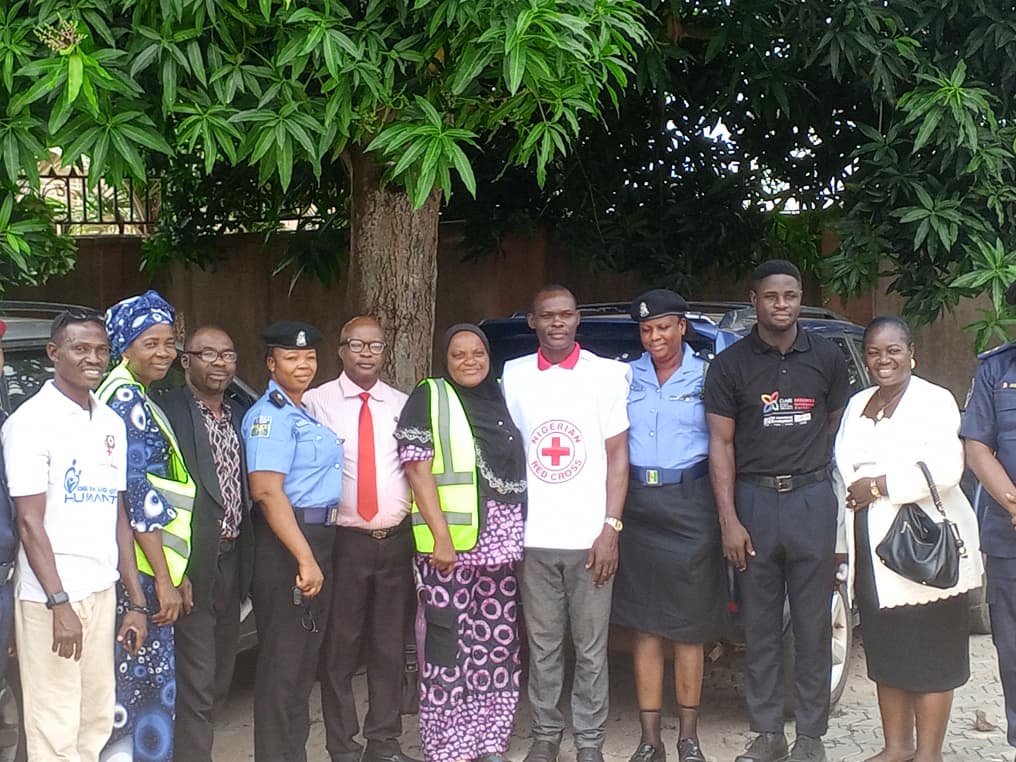
Speaking during a stakeholders’ engagement held on Thursday at the branch office in Abeokuta, officials said the initiative, which began in 2024 and is expected to run through 2026, focuses on early warning, preparedness, and coordinated response to climate-induced disasters, particularly flooding.
An educationist with the Ogun State Ministry of Education, Akinola Okoriafor Mary-Adebisi, said reaching learners remained a critical pathway to driving awareness at the grassroots.
She said, “The only way we can effectively get to the grassroots, especially families, is by targeting learners. If every stakeholder is properly sensitised, given adequate training, and made aware of how to respond to disasters of any form, whether infrastructural, flood, or fire, these learners will return to their homes and educate their parents.”
She added that existing school structures could further deepen awareness across communities.
“We also have parents’ forums in schools. These platforms can be used to sensitise members, and such knowledge can spread to other members of society,” she said.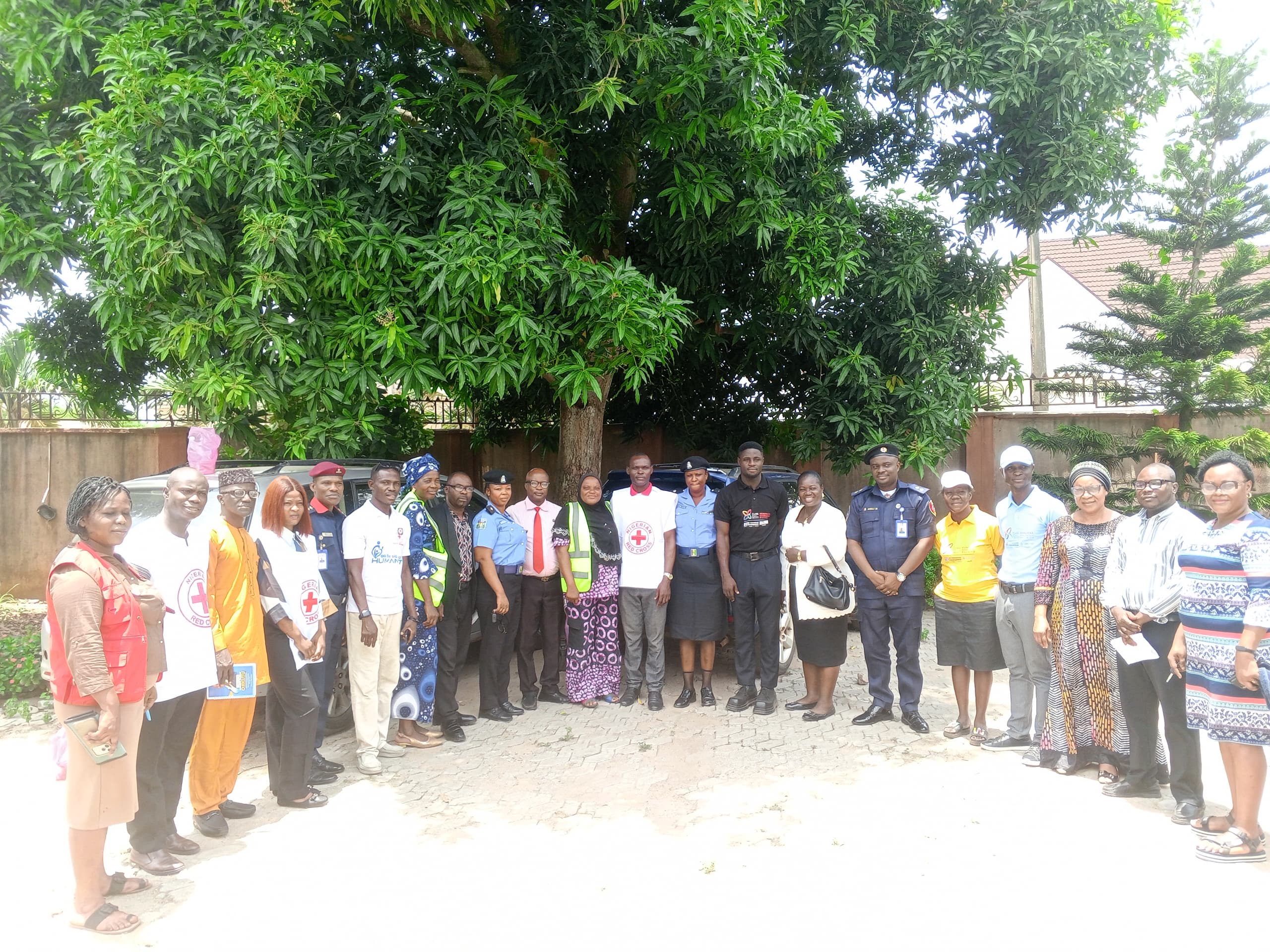
Also speaking, the Branch Secretary of the Nigerian Red Cross Society, Abeokuta Branch, Ajayi Taiwo Ezekiel, said disaster management required collective action among stakeholders.
“We cannot do it alone as the Nigerian Red Cross Society, and we do not want to work in isolation. We believe that when we work together, we can achieve a lot more. It is important that all stakeholders are on the same page with us in disaster management, especially as we approach the rainy season,” he said.
He noted that the organisation was intensifying efforts to reach vulnerable communities while strengthening their resilience to flooding.
“We are working to reach the vulnerable and also to build the resilience of these communities that are constantly facing these challenges,” he added.
On government support, Ajayi said collaboration with relevant agencies had been beneficial but called for sustained backing.
“The government has been helpful, and we can always ask for more support to achieve our aims and objectives in supporting affected communities and individuals,” he said.
He added that stakeholders had jointly developed and begun implementing an action plan to improve disaster response.
“We have been enjoying synergy with relevant government agencies and stakeholders. As you can see, we just presented an action plan which was a joint effort, and we have already started implementing it. Just last month, we conducted first aid training for members of the Community Resilience Committee, alongside other activities, and that has been very helpful,” he stated.
The Red Cross said activities under the project included vulnerability and capacity assessments, community engagement, early warning systems, and training of volunteers in disaster preparedness.
Participants at the engagement identified challenges such as limited resources, accessibility issues in riverine areas, and communication barriers but called for improved coordination, infrastructure support, and expansion of the initiative to other flood-prone communities.
They also frowned at waste disposal attitudes of the people, which block waterways and contribute to flooding.
The event also featured training on cardiopulmonary resuscitation to equip participants with emergency response skills.