




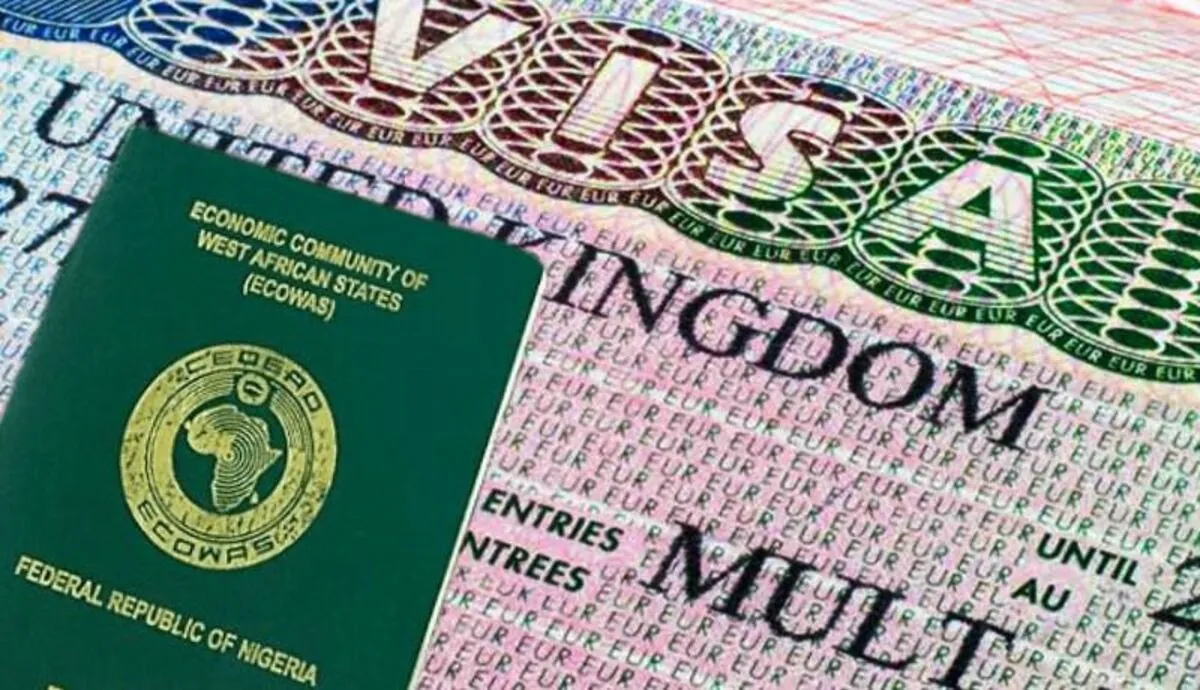
The United Kingdom rejected 1,344,595 visa applications submitted by Nigerians between 2005 and the first quarter of 2026, according to official immigration figures released by the UK Home Office.
The data showed that Nigeria recorded the second highest number of UK visa refusals globally, behind only India. It also accounted for 44.4 per cent of all visa refusals involving African applicants during the 21 year period.
Despite the high number of refusals, Nigerians remained among the largest beneficiaries of UK visas, with 2,723,558 applications approved during the period. This made Nigeria the third largest recipient of UK visas worldwide after India and China.
According to the figures, more than 4.06 million visa decisions were made on Nigerian applications, with an overall refusal rate of 33.1 per cent, more than twice the UK’s global average refusal rate of 14.8 per cent.
Visitor visa applications accounted for the largest share of rejected applications. A total of 1,127,088 visitor visa requests were declined, representing 83.8 per cent of all Nigerian visa refusals. The refusal rate for visitor visas stood at 37.1 per cent, while 130,712 study visa applications, 41,410 work visas and 12,217 family visas were also rejected.
The report showed that visa refusal rates were highest in the mid 2000s. In 2006 alone, the UK refused 117,968 Nigerian visa applications, representing 49.6 per cent of all decisions made that year.
The figures improved over the following years, with the refusal rate dropping to 21 per cent in 2023 when the UK granted a record 281,658 visas to Nigerians after international travel rebounded following the COVID-19 pandemic.
However, the trend reversed in 2024 after the UK introduced stricter immigration measures, including raising the minimum salary threshold for Skilled Worker visas from £26,200 to £38,700 and restricting dependent visas for international students and care workers.
An immigration research firm, Intelpoint, reported that Nigerian work visa applications fell by about 68 per cent following the policy changes. Refusal rates subsequently rose to 33.5 per cent in 2024, 33.1 per cent in 2025 and 35.4 per cent in the first quarter of 2026.
Reacting to the figures, former Nigerian Ambassador to Singapore, Ogbole Amedu-Ode, attributed the trend to Nigeria’s economic challenges.
“The desire to leave Nigeria is largely a reflection of the state of the economy,” he said.
“The trend is unlikely to slow until there is a meaningful turnaround. While the refusal figures are worrying, they also reflect the growing number of Nigerians applying to travel abroad.”
The UK Home Office also noted that Nigerians were among the top five nationalities that claimed asylum after entering Britain legally on visas in the year ending September 2025, a development officials said had contributed to tighter scrutiny of visa applications from Nigeria.