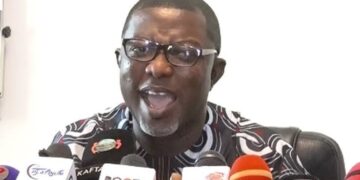




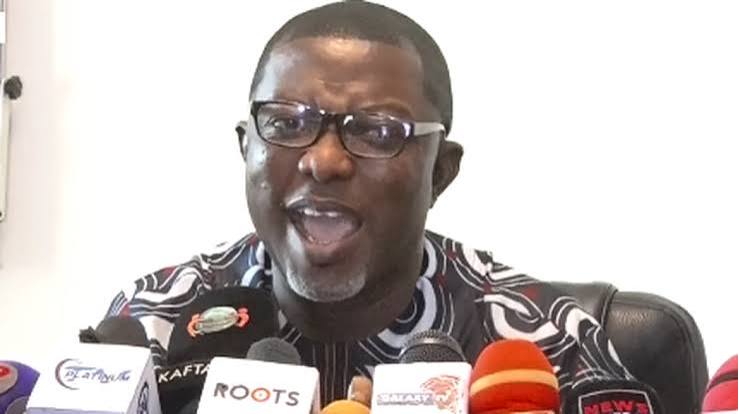
A chieftain of the Labour Party, Dr Abayomi Arabambi, has described the removal of petrol subsidy as painful but necessary, arguing that the former regime was characterised by alleged fraud and the misuse of public resources.
Arabambi made the remarks on Thursday while speaking on Frontline, a current affairs programme on Eagle 102.5 FM, Ilese-Ijebu, Ogun State, where he discussed fuel subsidy, crude oil management, local refining and the Dangote Refinery.
According to him, the debate over petrol subsidy should go beyond whether the policy should be retained or removed, stressing that Nigerians should examine how the system was operated and the financial burden it imposed on the country.
He described the former subsidy regime as an “organised fraud”, alleging that government borrowed money to sustain a system that enriched some individuals while placing additional pressure on the nation’s finances.
Arabambi questioned the process through which imported petrol was priced, particularly the difference between the landing cost of the product and the subsidised price paid by consumers.
He also queried the fate of other petroleum products derived from Nigeria’s crude oil when the commodity was exported for refining.
“Is it only petrol that is the only component of crude? No,” he said, questioning what happened to products such as kerosene, cooking gas, diesel and bitumen.
The Labour Party chieftain further alleged that fraudulent practices existed within the former subsidy arrangement, claiming that some importers could present questionable products as petrol and subsequently seek reimbursement from government.
“We are borrowing money to pay for fraud. So why is it wrong to remove it?” he asked.
Arabambi said the emergence of the Dangote Refinery had changed the dynamics of Nigeria’s petroleum industry, arguing that the government should encourage investors capable of increasing domestic refining capacity and petroleum supply.
He maintained that increased supply would eventually lead to lower prices, provided the economy was stabilised and more refineries became operational.
“Nigerians should not forget, when that is done, the actual cost will now come into being, which you know will now come high,” he said.
“But when we are now able to stabilise the economy, we have more refineries… when we have supply, what will happen? The cost will come down.”
He credited former President Muhammadu Buhari with recognising the problems associated with the subsidy regime and also defended President Bola Ahmed Tinubu’s decision to remove the subsidy.
Arabambi, however, called for greater scrutiny of Nigeria’s crude oil management, alleging that the country had committed future crude production because of arrangements connected with petroleum imports.
He urged the Federal Government to investigate companies involved in lifting Nigerian crude abroad and establish what happened to the various petroleum products obtained from the crude.
“I have expected the President to institute a panel of inquiry, every person, every company that is picking our crude abroad, where is the kerosene? Where are the other components? The asphalt, the petroleum, the diesel… Where are they?” he asked.
He argued that Nigeria should explore an arrangement where crude supplied for refining would be properly accounted for against the petroleum products returned to the country, rather than allowing additional financial claims to accumulate against the government.
The Labour Party chieftain acknowledged that subsidy removal had increased the immediate burden on Nigerians but argued that the country should concentrate on expanding productive capacity, attracting manufacturing companies and creating jobs rather than relying mainly on palliatives.
“When you have influx of manufacturing companies, that is when employment will be made available. You cannot sit at home and be expecting palliative,” he said.
His comments come amid renewed political debate over petrol pricing ahead of the 2027 general elections, with political actors proposing different approaches to subsidy and petroleum pricing.
Arabambi maintained that Nigeria’s long-term solution lies in increased domestic refining, greater petroleum supply, industrialisation and sound management of the country’s crude resources.
He said such measures could eventually reduce the cost of petroleum products and create a more sustainable economic structure for the country.