

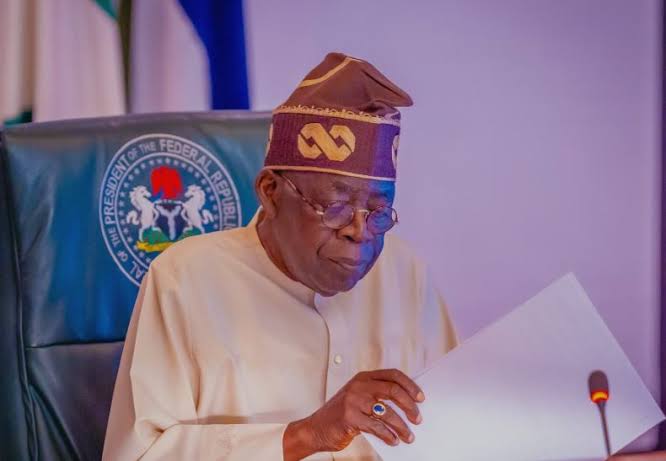
Tinubu has signed a new Executive Order aimed at reducing production costs in Nigeria’s oil and gas industry while introducing performance based tax incentives for upstream operators.
The policy was announced on Saturday by the President’s Special Adviser on Energy, Olu Verheijen, who said the move is part of ongoing efforts to reposition the sector for sustained investment and stronger global competitiveness.
Titled The Upstream Petroleum Operations Cost Efficiency Incentives Order, 2025, the Order establishes a framework that rewards oil companies for cost saving initiatives while protecting national revenue.
Under the arrangement, 50 per cent of the government’s incremental gains from cost reductions will be returned to operators.
It also places a cap on tax credits linked to operational efficiency at 20 per cent of a company’s annual tax liability. The Nigerian Upstream Petroleum Regulatory Commission is expected to publish annual cost benchmarks by terrain, covering onshore, shallow water, and deep offshore operations, to guide implementation.
Verheijen said the policy is designed to reward efficiency and restore investor confidence, noting that it goes beyond cost reduction to strengthening fiscal resilience.
She described the Order as a deliberate strategy to position Nigeria’s upstream sector as globally competitive.
The development comes against the backdrop of about eight billion dollars in new investments recorded in Nigeria’s deepwater oil and gas projects over the past year.
Projects such as Shell’s Bonga North and TotalEnergies’ Ubeta have advanced following Final Investment Decisions, reflecting renewed investor optimism attributed to recent reforms.
Nigeria has struggled with high oil production costs, estimated between 25 and 48 dollars per barrel depending on terrain and security conditions. This contrasts sharply with countries like Saudi Arabia, where production costs range between three and ten dollars per barrel. Industry experts have blamed bureaucratic delays, regulatory instability, and costly local content requirements for Nigeria’s higher expenses.
In response, the Tinubu administration has rolled out several policy measures, including the Oil and Gas Companies Tax Incentives, Exemption, and Remission Order of 2024, as well as directives to streamline contracting timelines in the petroleum sector.
The new Executive Order is intended to entrench fiscal discipline, reduce inefficiencies, and improve the sector’s economic contribution.
“This Order is a signal to the world,” Tinubu said. “We are building an oil and gas sector that is efficient, competitive, and works for all Nigerians. It is about securing our future, creating jobs, and making every barrel count.”