



The United Nations has urged African governments, the private sector and development partners to make bold investments in people, strengthen partnerships and mobilise sustainable financing to accelerate progress toward achieving the Sustainable Development Goals, warning that the continent risks falling behind with less than five years to the 2030 deadline.
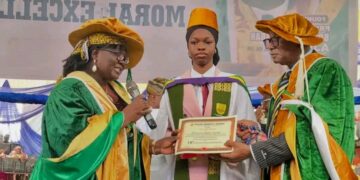
Speaking at the Africa Social Impact Summit 2026 in Lagos on Saturday, the United Nations Population Fund Representative in Nigeria, Ms Muriel Mafico, who represented the United Nations Resident and Humanitarian Coordinator in Nigeria, Ms Wafaa Saeed, said Africa’s future would depend on its ability to unlock the potential of its people through strategic investments.
In a statement issued in Abuja by the National Information Officer of the United Nations Information Centre, Oluseyi Soremekun, Mafico said the continent must ensure that every child has access to quality education, every young person secures meaningful employment, every woman is empowered to fulfil her potential, and every community is equipped to withstand future economic and climate shocks.
“The wealth of a nation is not measured by what it extracts from the ground. It is measured by what it unlocks in its people,” she said.
Describing the summit as timely, Mafico said conversations on development financing should focus on expanding opportunities for citizens rather than merely addressing funding gaps.
She warned that Africa’s development aspirations were under pressure from slowing economic growth, rising debt burdens, declining development assistance, climate-induced disasters and persistent conflicts across the continent.
According to her, recent assessments indicate that only 36 per cent of the Sustainable Development Goal targets are either on track or making moderate progress, while the financing gap facing developing countries continues to widen.
“With less than five years remaining to achieve the 2030 Agenda, we must act with greater urgency, solidarity and ambition,” Mafico said.
She identified Nigeria’s youthful population as one of its greatest strengths, noting that targeted investments in education, innovation and entrepreneurship could position the country as a global centre for inclusive economic growth.
Mafico, however, cautioned that neglecting investments in young people would deepen inequality and limit opportunities for future generations.
She also urged African countries to embrace home-grown solutions and stronger national leadership in driving sustainable development.
“No country can outsource its development. No nation can import resilience,” she said, adding that international partnerships should support, rather than replace, national efforts.
The UN official called for a shift in development financing through increased domestic resource mobilisation, greater private sector investment, support for entrepreneurship and innovation, as well as expanded opportunities for women and young people.
She added that the United Nations was already collaborating with governments, civil society organisations, development partners and the private sector in Nigeria to strengthen institutions, expand social protection, transform food systems, promote renewable energy, advance digital innovation and improve education.
Reaffirming the UN’s commitment to the Sustainable Development Goals, Mafico urged stakeholders to move beyond declarations and translate commitments into tangible action.
She expressed confidence that Africa possesses the talent, ideas and entrepreneurial capacity needed to transform its future, stressing that the continent must mobilise investments capable of matching its ambitions.
“We must ensure that this summit is remembered not just for the conversations we had, but for the partnerships we built, the investments we unlocked and the collective action we took to create a more prosperous and inclusive future for all,” she said.