




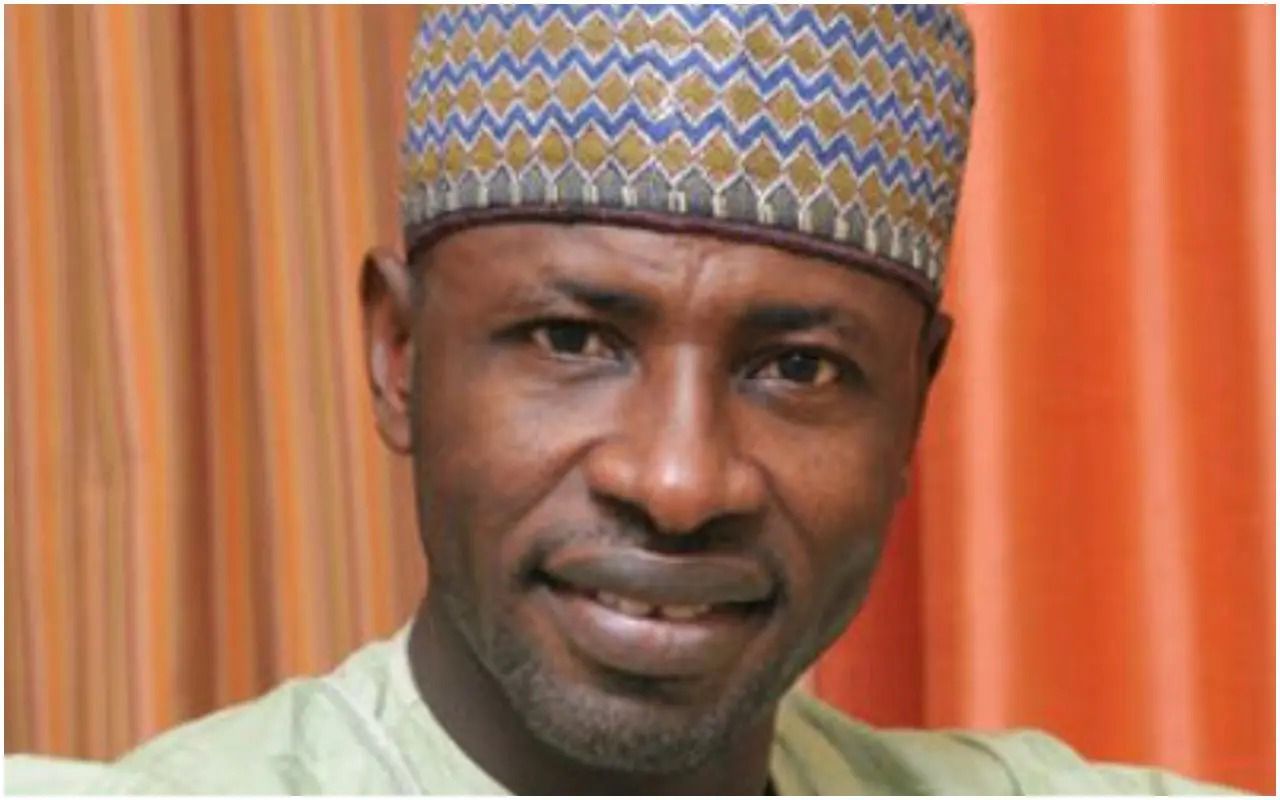
The National Coordinator of the Obidient Movement Worldwide, Yunusa Tanko, has alleged that internal crises, legal disputes and political infiltration are weakening opposition parties ahead of the 2027 general elections.
Tanko made the allegation on Wednesday during an interview on Frontline, a current affairs programme on Eagle 102.5 FM in Ilese-Ijebu, Ogun State, where he spoke on the wave of political realignments within Nigeria’s opposition space.
According to him, most opposition parties are currently battling structural instability, litigations and leadership tussles that have made it difficult for politicians to operate within stable platforms.
He alleged that some of the crises rocking opposition parties were being fuelled externally to frustrate coalition efforts ahead of the next presidential election.
Tanko said, “Well, it was very evidently clear that the government of the day has infiltrated most of the political party. You could see what happened to Labour Party, you could see what is happening to SDP at the moment.”
He added that the opposition had been forced to constantly reassess its political direction because of the uncertainty created by legal disputes and factional leadership struggles.
The Obidient Movement coordinator also defended the recent political movements of Peter Obi and Rabiu Musa Kwankwaso, insisting that their decisions were driven by the need to secure stable political platforms rather than acts of betrayal.
According to him, Obi left parties whenever their internal structures became compromised or excessively transactional.
Tanko said the opposition coalition’s movement from the African Democratic Congress to the Nigeria Democratic Congress was influenced by legal battles and internal crises threatening the coalition’s stability.
“And when we got to the NDC there were litigations that the Supreme Court said that yes they recognised the leadership of Senator David Mark and then they’re saying that we should go back to the Federal High Court for adjudication,” he stated.
He warned that no serious presidential candidate would willingly contest under a platform facing unresolved court cases and leadership disputes close to an election cycle.
Tanko also cited the crisis within the Social Democratic Party as another example of instability within opposition politics.
“As of this morning, Shehu Gabam by the court has been returned as the chairman of the party. He was also arrested this morning. So as we speak right now the SDP has two factions,” he said.
He maintained that the pattern of litigation and factional disputes across opposition parties had made coalition-building necessary for survival ahead of the 2027 elections.
Tanko, however, rejected claims that Obi’s frequent party movements amounted to disloyalty, insisting that the former Anambra State governor had always acted in line with his political principles.
“At this point, his excellency Peter Obi did not in any way betray anybody. Obi put his money, gave his respect, supported every process of the party,” he added.
He stressed that opposition realignments should be seen as strategic responses to political instability rather than personal ambition.