



The Independent National Electoral Commission (INEC) has warned Nigerians against the spread of fake news and misinformation as it intensifies voter education and stakeholder engagement ahead of the 2027 general elections.
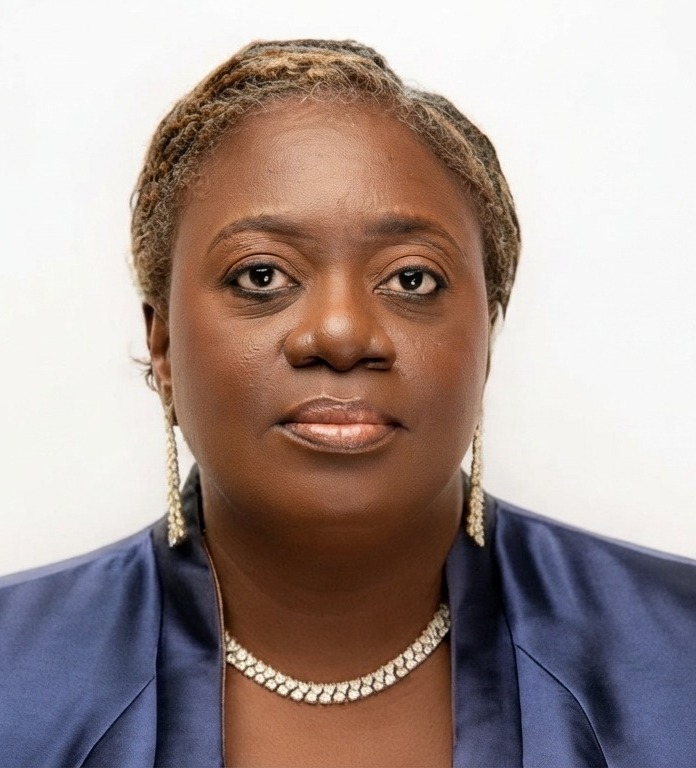
The Ogun State Resident Electoral Commissioner (REC), Mrs Feyijimi Saseyi Ibiyemi, gave the warning on Thursday during an interview on FRONTLINE, a current affairs programme on Eagle 102.5 FM, Ilese-Ijebu.
Ibiyemi identified misinformation, fake news and communication gaps as some of the factors capable of undermining public confidence in the electoral process, urging citizens to verify information before sharing or circulating it.
According to her, INEC is strengthening its voter education structures and collaborating with the media and other stakeholders to ensure that citizens have access to accurate and verified information about the electoral process.
“We are training our voters education department to go out and talk to people. Information, fake news. Sometimes fake news is also another. And as I’m talking to you now, we are engaging the media. We are also engaging the people to have verified names. Verify something before you post it,” she said.
The REC explained that electoral distrust could sometimes be fuelled by inaccurate information, adding that the commission was paying greater attention to public communication as part of its preparations for the 2027 elections.
“Sometimes electoral distrust is caused by misinformation. And the Commission is tackling that. We’re also engaging you, that people should have verified news. Verify something before you post it,” Ibiyemi said.
She urged citizens seeking clarification on electoral procedures or information released by INEC to approach the commission’s offices at the state and local government levels.
The REC added that INEC was deploying radio, television and other public engagement platforms to reach voters who might not have direct access to official electoral information.
Traditional Rulers, Market Women, Religious Bodies Engaged
Ibiyemi disclosed that the commission had expanded its stakeholder engagement to include traditional rulers, market women, persons living with disabilities, religious organisations, tertiary institutions and other groups considered important to the electoral process.
She said traditional rulers had particularly been encouraged to use their positions to promote peaceful participation and discourage youths from being recruited for electoral violence.
“We have paid courtesy calls to traditional rulers and other government agencies in the spirit of interagency collaboration. We have implored them because they are fathers to talk to the citizens to come out and vote and then to talk to the citizens, our children, our youth, not to be allowed to be used for thuggery, not to allow themselves to engage in vote buying and all sorts,” she said.
According to the REC, traditional institutions and other critical stakeholders across the state had continued to cooperate with the commission.
“We have received cooperation from our traditional rulers. Market women, people living with disabilities, religious bodies and other critical stakeholders have not been left out,” she added.
She explained that the engagement was aimed at taking voter education beyond formal INEC activities and into communities and groups capable of influencing public participation in elections.
INEC Targets Young Voters
The REC further disclosed that the commission had taken voter mobilisation activities to tertiary institutions as part of efforts to reach young Nigerians ahead of the elections.
She said INEC had also organised market and road shows while sustaining radio and television programmes designed to educate citizens about the electoral process.
“We also did some mobilization in the tertiary institutions. And as we are going on now, we are having a radio programme which I know that people are listening. We have done other TV, market and road shows,” Ibiyemi said.
She noted that the various platforms were necessary because citizens receive information through different channels, assuring that INEC would continue to engage the public through the media and community structures.
The focus on youth mobilisation comes amid continuing concerns over voter participation, political violence, vote buying and the recruitment of young people for electoral activities.
Caller Questions Electoral Credibility
The programme also featured contributions from members of the public, including a caller from Lagos who questioned whether INEC could deliver an election capable of restoring public confidence in the electoral process.
The caller linked the credibility of the 2027 elections to the broader challenges confronting Nigerians and urged the commission to approach the process with sincerity and a commitment to protecting voters’ choices.
“Nigeria needs a credible, free and fair election. Can they do that? Can they tell me they can do that?” the caller asked.
The concerns formed part of a broader discussion on public confidence in elections and whether voters would trust that their votes would be protected and accurately reflected in the final results.
Responding, Ibiyemi maintained that INEC was taking steps within its mandate to prepare for the 2027 elections and engage citizens, while urging members of the public to rely on verified sources for electoral information.
She stressed that meaningful voter education and credible public engagement would require the active participation of citizens and other stakeholders across the state.