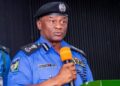


Guinea Bissau slipped into military rule on Thursday as soldiers appointed the army chief of staff, General Horta N’Tam, to lead the country for one year after seizing power, arresting President Umaro Sissoco Embaló and suspending the release of election results.
Soldiers occupied strategic points around the presidential palace in Bissau on Thursday morning. The streets were mostly quiet as residents moved cautiously along the main road where heavy gunfire rang out the previous day.
N’Tam took the oath of office at the military headquarters. AFP reporters present at the ceremony quoted him as saying, “I have just been sworn in to lead the High Command.” Dozens of armed soldiers stood guard as he justified the takeover, saying the action was needed “to block operations that aimed to threaten our democracy.”
The move followed an announcement by a group of officers on Wednesday that they had seized “total control” of the country. The officers said the electoral process had been halted because of a plot involving “drug lords,” which they claimed included plans to smuggle weapons into the country to destabilise the constitutional order.
The army detained President Embaló on Wednesday. A military source said he was being held at the general staff headquarters and was “well treated.” Senior security chiefs, including the chief of staff and the minister of the interior, were also arrested.
Opposition figure Domingos Simões Pereira, who was barred from taking part in last weekend’s election by the Supreme Court, was among those picked up by soldiers, according to people close to him.
Guinea Bissau’s borders, which had been closed immediately after the coup, were reopened on Thursday following an announcement by General Lassana Mansali.
The West African regional bloc, ECOWAS, condemned the takeover. In a statement, the organisation said its chair “unequivocally condemns the coup d’état” and restated its “strict zero tolerance for unconstitutional changes of government.”
The UN Secretary General António Guterres said he was following the situation with “deep concern,” while former colonial power Portugal urged restraint and warned against “institutional or civic violence.”
Reporters Without Borders criticised the suspension of media operations. Its Sub Saharan Africa director, Sadibou Marong, warned that the action violated citizens’ right to information, noting that “the population must be able to be informed about what is happening in the country, especially in this context of political crisis.”
With four coups since independence from Portugal in 1974, Guinea Bissau has battled decades of instability and remains a major transit point for drug trafficking between Latin America and Europe.