
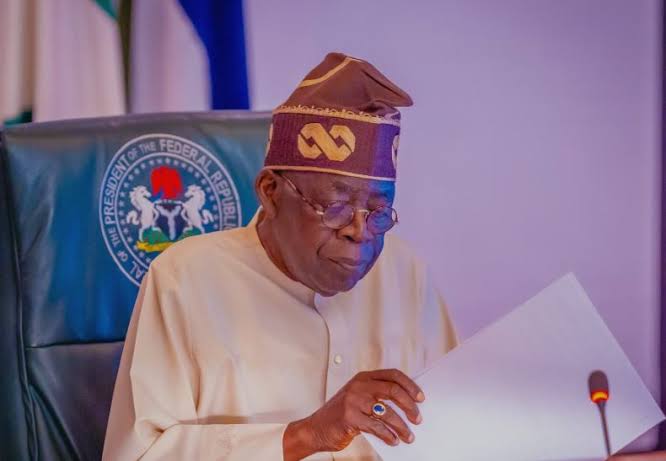
The Special Adviser to Tinubu on Policy Communication, Daniel Bwala, has restated that the federal government will not engage in negotiations with terrorists or criminal groups.
He spoke on Wednesday during an interview on Channels Television, where he explained the administration’s firm position on ending government-backed dialogue with bandits and insurgents.
Bwala said the era of talks with armed groups has closed, adding, “Still, the federal government did not negotiate and will not negotiate.” He noted that previous administrations had sometimes resorted to negotiation only in situations where citizens’ lives were at immediate risk.
He recalled the period when a national guideline permitted both federal and state authorities to negotiate when it appeared to be the only way to save lives.
He said, “There was a time when federal government was negotiating. El-Rufai once talked about a national policy that was passed at that time when both the federal government would have to negotiate, because if your duty is to protect the lives of people and the lives of Nigerians are in danger, and you have to save them, and you have to do all that you have to do to save them, and negotiation is the only way to save them, then you would have to save them at that time.”
Bwala explained that Tinubu has now reversed that approach due to the discovery that ransom payments and indirect concessions can strengthen terror networks. “President Tinubu came up with this zero tolerance for negotiation because it then fits into terrorism financing,” he said. “You are constructively financing terrorism without knowing.”
Speaking on the release of abducted victims, he said various factors can influence such developments. “There are lots of factors that can occasion the release of the Niger school children,” he said.
“Sometimes it is the people they listen to, like these religious clerics. Sometimes it can be that the federal government has encircled them and warned them. They decide to turn them over. Sometimes on their own, they decide to release them, even if the family of the victims and the state government can pay.”
He also dismissed online claims suggesting internal pressure on Tinubu to resign, describing such talk as unfounded. “Nobody in the chain of command of the democratic process today in Nigeria is calling for President Tinubu to resign, other than people saying it,” he said.