



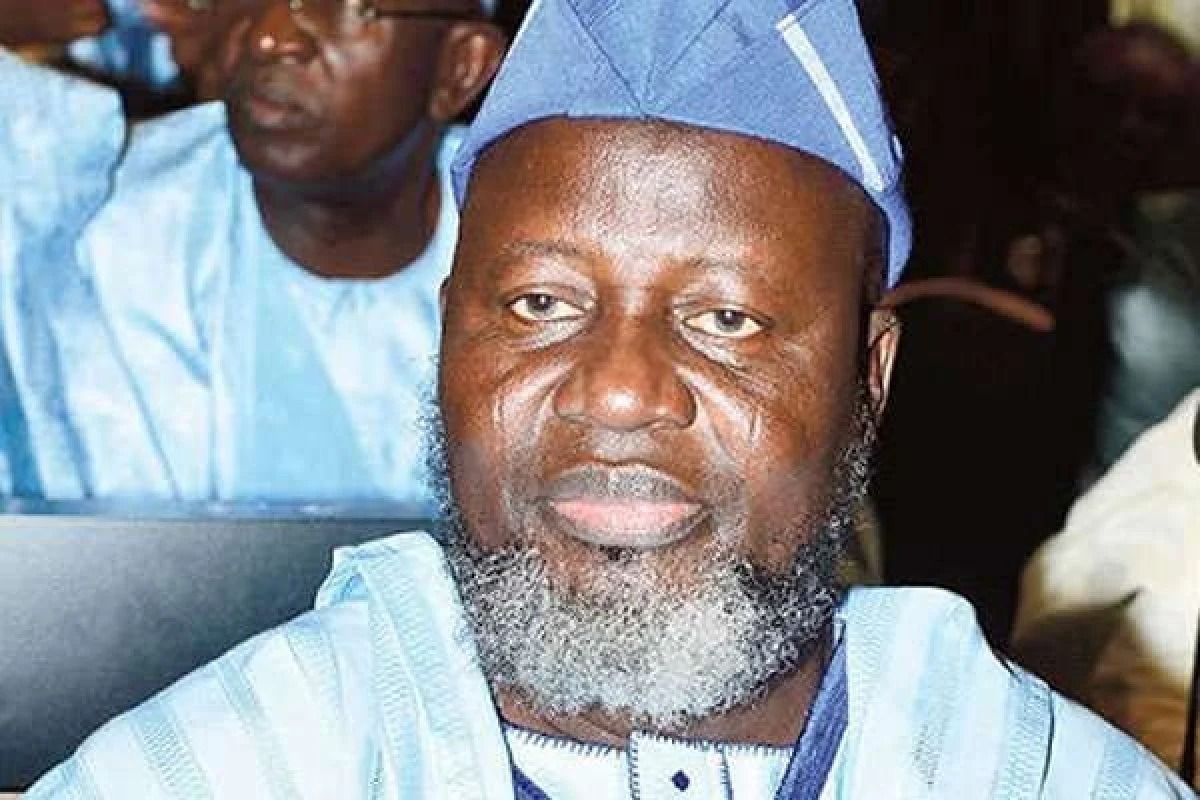
Former Minister of Communications, Dr. Adebayo Shittu, has called on state governors to allow local governments to exercise greater control over their finances and discharge their constitutional responsibilities without undue interference.
Shittu made the call on Tuesday, September 29, during an interview on Frontline, a current affairs programme on Eagle 102.5 FM, Ilese-Ijebu, where he spoke on Nigeria’s governance challenges, local government autonomy, insecurity, economic hardship and the need for institutional reforms.
The former minister argued that Nigeria’s governance problems were not necessarily rooted in the Constitution, but in the failure of political officeholders to properly implement its provisions.
“There is never a perfect constitution,” Shittu said, noting that the 1999 Constitution provides mechanisms for amendments where necessary. He urged Nigerians who identify shortcomings in the constitutional framework to pursue such changes through the National Assembly.
According to him, the effectiveness of the existing constitutional arrangement depends largely on the willingness of political leaders to respect and implement its provisions.
Shittu particularly criticised what he described as interference by some state governors in the affairs of local governments, including their finances and electoral processes.
“The problem is with the people; it’s not with the law,” he said, stressing that local councils should be allowed to manage their resources and perform their responsibilities without undue interference from state authorities.
His comments come against the backdrop of the continuing debate over local government autonomy, following the Supreme Court’s July 2024 judgment concerning democratically elected local councils and the direct payment of allocations to local governments.
Shittu also called on President Bola Tinubu to ensure that increased revenues accruing to governments, particularly following the removal of the petrol subsidy, translate into tangible improvements in the lives of Nigerians.
“If the President has been charitable enough to raise more money from the removal of oil subsidy, should he not also insist that the governors transmit those things down to the local government?” he asked.
The former minister further defended his right to criticise government policies despite being a member of the ruling All Progressives Congress, APC.
He said party membership should not prevent politicians from speaking honestly about issues affecting the country.
“The fact that I am APC does not mean that I will not be able to tell the truth. I don’t fear anybody, and I have always been very honest,” Shittu said.
On the proposed establishment of state police, the former minister acknowledged the need for stronger measures to tackle insecurity across the country. However, he cautioned that state police should not be allowed to become an instrument of political control.
He argued that any new security arrangement must prioritise the protection of residents and address the security challenges confronting different parts of the country.
Shittu also rejected the suggestion that restructuring Nigeria through a return to regional government or the adoption of a parliamentary system would, on its own, resolve the country’s governance challenges.
“It’s not about regionalism. It’s about existing processes that they replicate, that they don’t revive,” he said.
He instead advocated improvements to existing institutions, with greater attention to education, healthcare, employment and security.
The former minister also expressed concern over political representation in Oyo State, particularly what he described as the concentration of governorship opportunities among politicians from Ibadan.
He argued that political parties should provide opportunities for qualified individuals from other parts of the state to participate in the contest for political leadership.
Addressing the economic difficulties faced by Nigerians following the removal of the petrol subsidy and exchange-rate unification, Shittu said government policies should ultimately be judged by their impact on citizens.
“All because they supported it doesn’t make it right,” he said, stressing that additional revenue available to governments should translate into better public services and improved living conditions for Nigerians.