
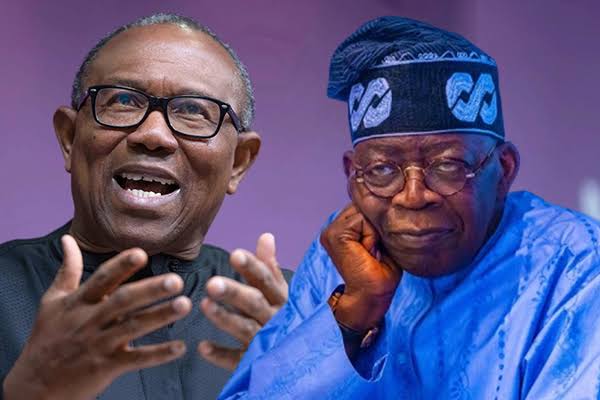
Former presidential candidate of the Labour Party and African Democratic Congress aspirant, Peter Obi, has raised concerns over the rising poverty rate in Nigeria, describing it as a serious threat to the nation’s future.
In a post on his X handle titled, “While Politicians Jostle, Poverty Deepens,” Obi warned that 62 percent of Nigerians—about 141 million people—are projected to be living in poverty in 2026. He urged the federal government to take urgent measures to address weak real income growth and persistently high living costs.
Citing World Bank data, Obi noted that the number of Nigerians living in poverty increased from 81 million in 2019 to approximately 139 million in 2025. He also referenced the Nigeria Economic Outlook 2026 report, “Turning Macroeconomic Stability into Sustainable Growth,” which projects that poverty will reach 141 million people this year.
Obi argued that structural reforms are necessary to curb the trend, emphasizing investments in agriculture, food supply, logistics, education, health, productivity, and large-scale job creation.
He wrote: “As we politicians scramble for positions and vie for control of party structures—often sharing posts even before elections are concluded—a harsh truth confronts our nation: a staggering 62% of Nigerians—roughly 141 million people—are ensnared in poverty. While other nations are lifting millions out of hardship, Nigeria is regressing.”
Obi highlighted the impact of weak income growth and high living costs on low-income households, pointing out that food expenditure alone accounts for up to 70 percent of household spending, leaving Nigerians vulnerable to inflation and price shocks. He also warned that rising poverty undermines purchasing power, threatens micro, small, and medium-sized enterprises, and could derail economic recovery if urgent action is not taken.
Comparing Nigeria with countries like India and Indonesia, Obi said: “India successfully reduced extreme poverty from 35-40% in 2000 to 5.3% today. Indonesia cut poverty from around 30% in 2000 to roughly 8% through investments in education, health, and social protection. Meanwhile, Nigeria has witnessed a rise in poverty from about 40% in 2000 to a distressing 62% today.”
He concluded by calling for immediate reforms, insisting that “a New Nigeria is possible.”