



The Independent National Electoral Commission (INEC) has said it has upgraded its Bimodal Voter Accreditation System (BVAS) and is taking steps to improve the INEC Results Viewing Portal (IReV) ahead of the 2027 general elections.
The commission also rated its level of preparedness for the elections in Ogun State as excellent, saying it was reviewing previous electoral exercises and strengthening its technology, logistics, facilities and operational systems ahead of the polls.
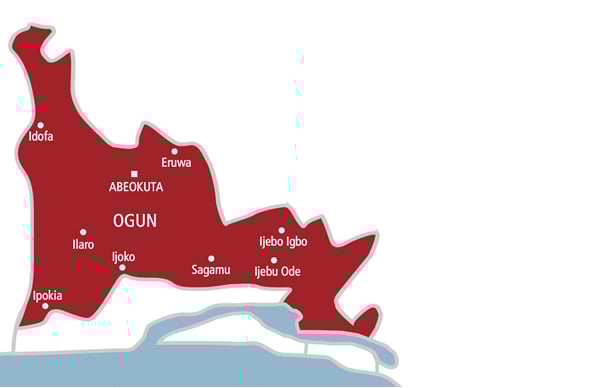
The Ogun State Resident Electoral Commissioner (REC), Mrs Feyijimi Saseyi Ibiyemi, disclosed this on Thursday while featuring on Frontline, a current affairs programme on Eagle 102.5 FM, Ilese-Ijebu.
The programme focused on preparations for the 2027 elections, with discussions covering electoral technology, voter confidence, logistics, security, political party activities and citizens’ participation.
Saseyi said INEC had continued to review previous elections to identify areas requiring improvement, adding that lessons from the 2023 general elections and the Osun State election would contribute to the commission’s preparations for 2027.
She said INEC was also implementing directives from its national headquarters and remained committed to conducting free, fair and credible elections.
“Today in Ogun State, the level of preparedness I can rate it as excellent. I want to assure you that the Commission at all times is committed to free, fair and credible elections to gain the trust and confidence of citizens,” she said.
The REC explained that the commission did not assume previous electoral procedures were perfect, noting that reports from past elections were routinely examined to identify areas that required improvement.
“INEC has improved and would continue to improve,” she said.
On electoral technology, Saseyi said the BVAS had been updated, while efforts were being made to improve the IReV ahead of the 2027 elections.
She, however, acknowledged that the effectiveness of digital systems could sometimes be affected by network availability, adding that the commission was making provisions to address technical challenges during election operations.
“We are trusting God that as we have updated our equipment, the BVAS has been updated. The IReV will also be updated, if not updated by now,” she said.
Saseyi added that INEC had backup equipment and trained technical personnel to respond to faults that might occur during the elections.
“When we bring our equipment out, we have a backup,” she said, identifying the technical personnel as RAPEX.
“We call them RAPEX. They are technicians who have been well trained on how to put those equipments in order,” she added.
The REC’s comments followed a suggestion by a caller from Ijebu-Ode that INEC should deploy more technology to monitor election activities and strengthen transparency.
The caller proposed body cameras for election officials, cameras at polling units and CCTV cameras at collation centres, particularly from the ward to local government levels.
He also suggested that political party agents should be permitted to use appropriate cameras during the electoral process, arguing that greater technological monitoring could help protect votes and reduce electoral malpractice.
Saseyi also spoke on logistics and the protection of election materials, saying some INEC facilities had been repaired and renovated in preparation for the elections.
She said the exercise was aimed at providing a conducive working environment for staff and protecting sensitive and non-sensitive election materials from damage.
“Also presently in Lagos State some of our facilities have been repaired. Some equipments have been repaired. Some leaking roofs and other local governments have been renovated so that it will make easy batching of our materials,” she said.
The REC said the commission was particularly concerned about protecting election materials from damage during the rainy season.
“We don’t want rain to damage some of our materials. So we are doing a renovation presently to allow a conducive atmosphere for the elections and to also allow our staff to have a conducive place to work,” she said.
On candidates for the 2027 elections, Saseyi said INEC had pasted the list of candidates but noted that the list could be updated where lawful substitutions were approved.
She explained that the law permitted substitution in specific circumstances, including the death or withdrawal of a candidate within the period allowed by law.
“Presently we have pasted the list of candidates that will contest and you know the law allows for substitution and then there are recent court cases that have allowed for political parties to substitute,” she said.
She added that any changes received from the commission’s headquarters would be published after meeting the legal requirements.
“By the time the headquarters send names of those who have been replaced or substituted, those names will be pasted and then updated,” she said.
The REC further stressed the importance of early security deployment, particularly for the movement of election materials and protection of ad-hoc officials.
She said INEC could not directly control the operations of other agencies but had continued to engage the police through the inter-agency framework to encourage early deployment on election day.
“On two occasions, I’ve met the police. And I begged them because, you know, I can’t control another organisation. But in the spirit of interagency collaboration, I told them that when you’re having a parade, please don’t do parade on election day,” she said.
According to Saseyi, early deployment of security personnel would enable election officials stationed at Registration Area Centres to move to their assigned polling units on time.
“If police came early, materials would be deployed on time,” she said.
She assured that INEC would continue to engage relevant stakeholders and address identified logistical, technological and operational challenges before the 2027 general elections.
The REC maintained that the commission’s preparations remained ongoing, with continued reviews of its systems, upgrades to electoral equipment and stronger coordination with relevant agencies as the elections draw closer.