




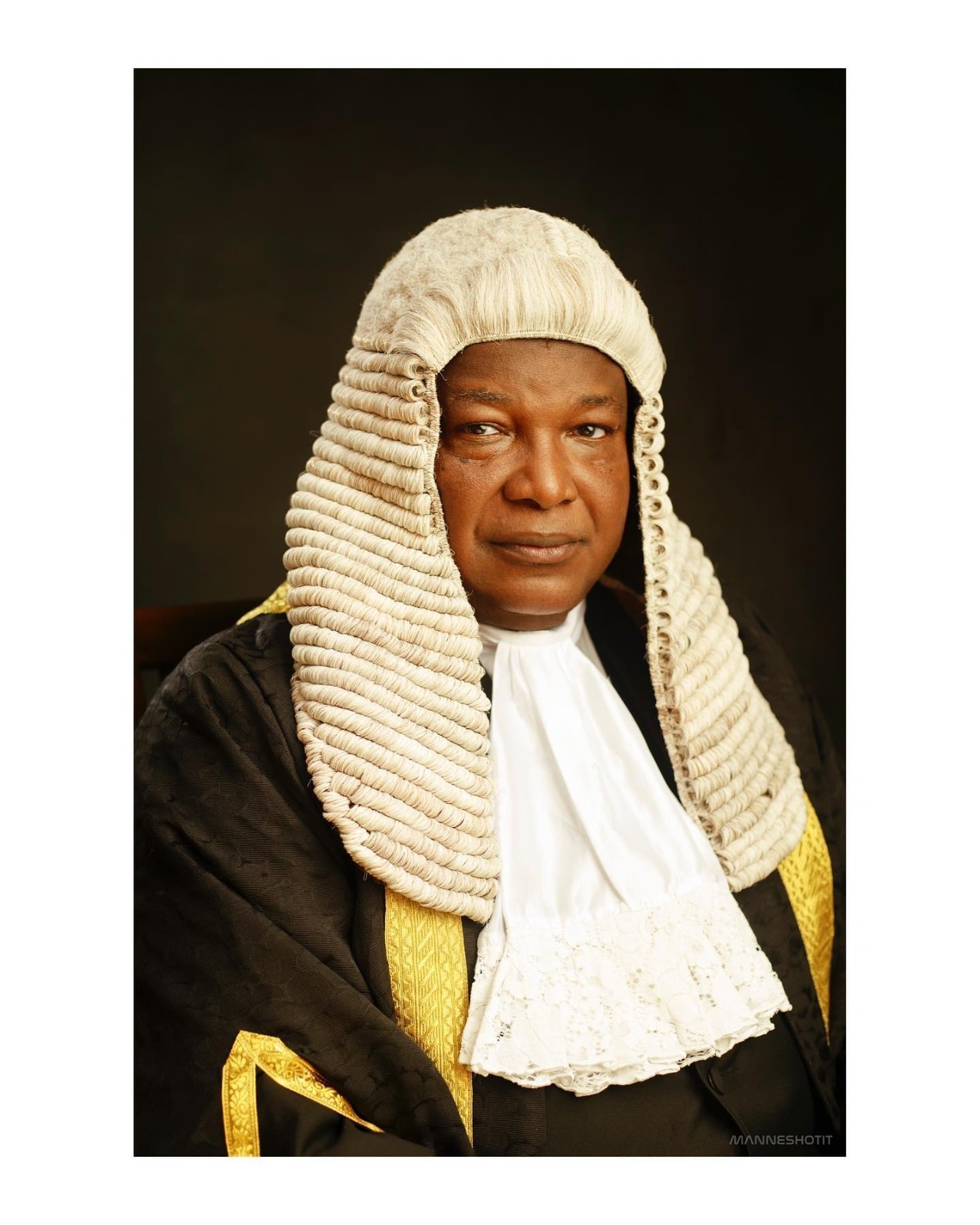
A Senior Advocate of Nigeria and lecturer in the Department of Jurisprudence and International Law, Faculty of Law, University of Lagos, Dr Wahab Shittu, has called for the retention of the death penalty for convicted terrorists, describing terrorism as a crime against humanity that deserves the maximum punishment where the law permits.
Shittu made the call on Thursday during an interview on Frontline, a current affairs programme on Eagle 102.5 FM, Ilese Ijebu, Ogun State, while reacting to the recent conviction of five Ansaru terrorists by the Federal High Court in Abuja, where three were sentenced to life imprisonment for their roles in the abduction of pupils and teachers in Oriire Local Government Area of Oyo State.
He said the judgment should not be interpreted as judicial leniency, explaining that judges are bound by the provisions of the Terrorism Prevention and Prohibition Act and cannot impose penalties outside the law.
According to him, “Judges cannot act outside statutory framework. What you can advocate for is perhaps for us to amend our Terrorism Prohibition and Prevention Act in a way that will make all those who participate in terrorist activities, all those who participate by aiding and abetting, including those who actually engage in the terrorist act themselves, to be given the same measure of punishment.”
He maintained that calls for tougher sanctions should be directed at the National Assembly through legislative amendments rather than the judiciary.
“That is an advocacy that we can sustain. But until the law is amended, judges have no option than to work with the statutory framework available for the trial of these offenders,” he said.
Shittu described terrorism as an attack on humanity, noting that it destroys lives, property, critical infrastructure and the economy, adding that convicted terrorists deserve the highest punishment allowed by law.
“Crime will continue to thrive if there are no consequences for infractions. What I’m saying is that consequences must be put in place to punish infractions of our laws, particularly by terrorists, then the punishment must be adequate and sufficient to deter the offenders,” he stated.
The legal scholar insisted that the death penalty should remain part of Nigeria’s legal framework for terrorism offences.
He said, “Death penalty for terrorists is something that should not be negotiable.”
While acknowledging concerns raised by human rights organisations, Shittu stressed that maximum punishment should only follow a fair trial conducted in line with internationally recognised human rights standards.
“If fair trial is guaranteed, if human rights is respected, then they should get the maximum punishment for bringing humanity to ruin by their actions,” he said.
The Senior Advocate also commended the Federal High Court judges handling terrorism cases and the Attorney General of the Federation for ensuring that terrorism suspects are prosecuted instead of remaining in prolonged detention without trial.
“To that extent, what our judges are doing is commendable, because you find dedicated judicial officers being assigned to try these cases,” he said.
Commenting on the nationality of two of the convicts, who were found to be citizens of the Republic of Niger, Shittu said the development underscored the transnational nature of terrorism and the need for stronger regional and international cooperation.
“For instance, two of the five countries that were recently convicted were found to be citizens of the Republic of Niger. That means that beyond the initial trial, our country must sustain national and international collaboration with our neighboring countries and international partners if we really want to combat this terrorism. It’s not something that the judiciary can fight alone,” he added.
He further advocated stronger border security, improved intelligence gathering, enhanced forensic and digital investigation, and the establishment of a Victims Trust Fund to compensate and rehabilitate victims of terrorist attacks.
“The government should consider institutionalizing a victim trust fund, from which funds can be drawn to pay compensation and restitution or reparation to those who find themselves as victims of some of these terrorist activities,” Shittu said.
He also maintained that government should not negotiate with terrorists or kidnappers, warning that yielding to their demands would weaken the state’s constitutional responsibility to protect lives and property.
According to him, until the Terrorism Prevention and Prohibition Act is amended to prescribe stiffer penalties, judges cannot be faulted for applying the law as it currently stands.
“Except we amend our laws to provide safer penalties, our judges cannot be blamed if they apply the law the way it is, because judges are not supposed to manufacture law, they work within the framework of the law available,” he said.