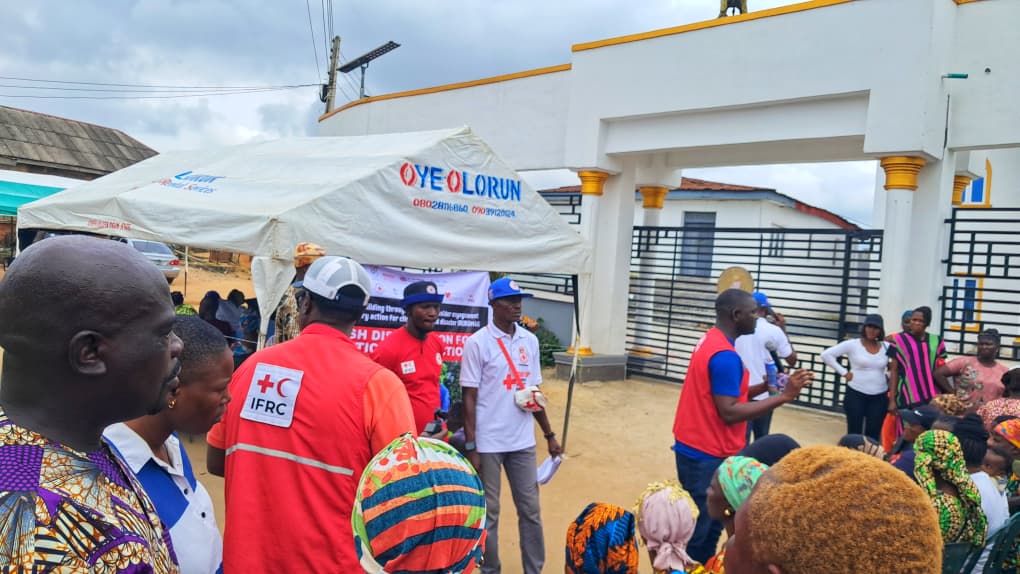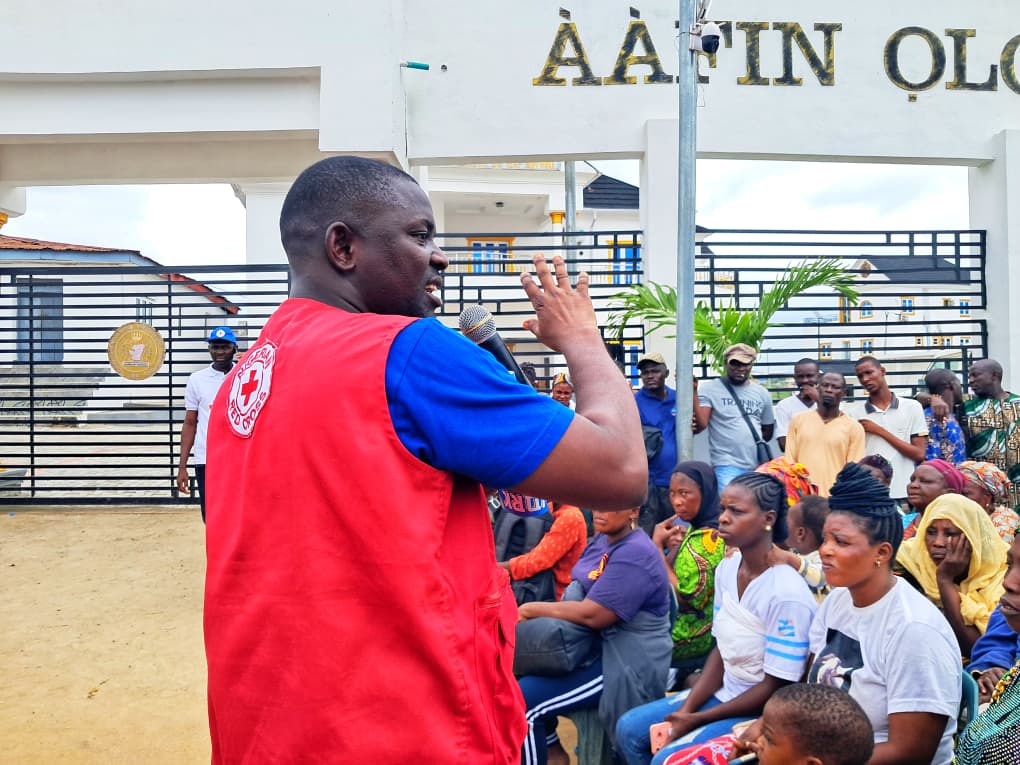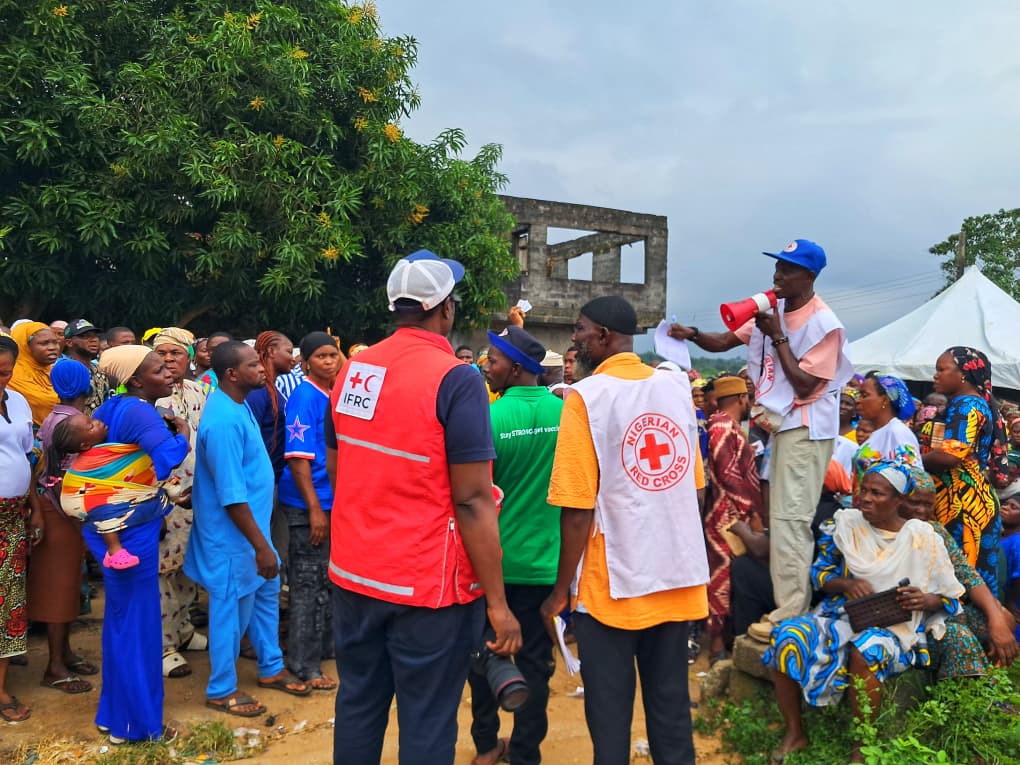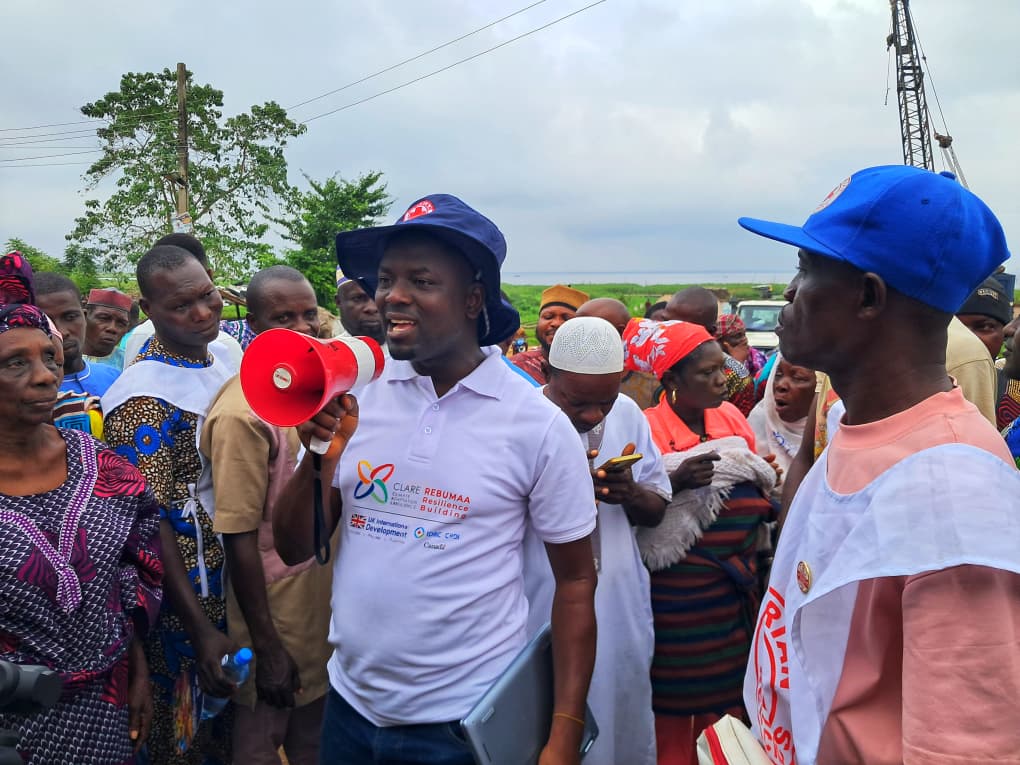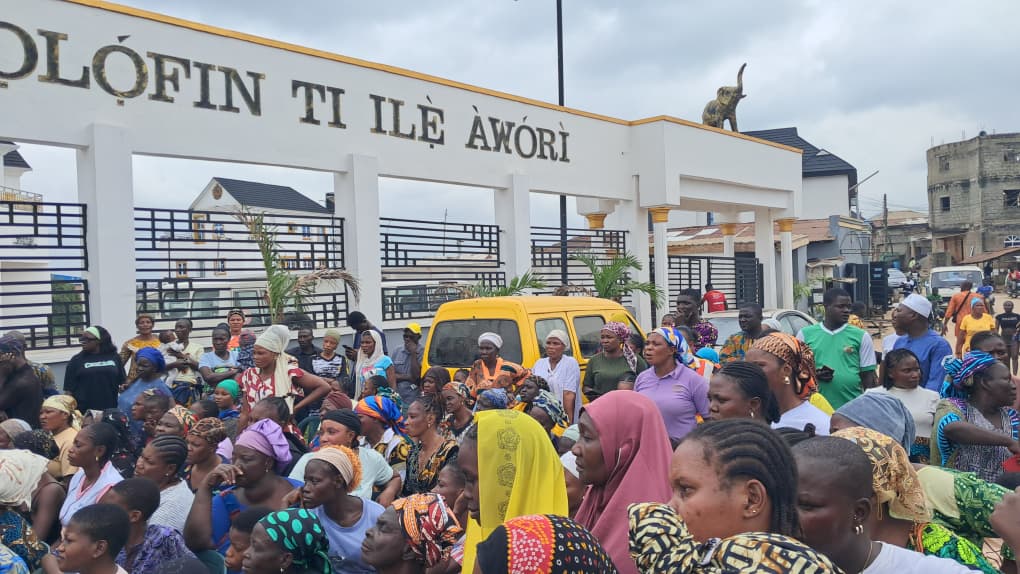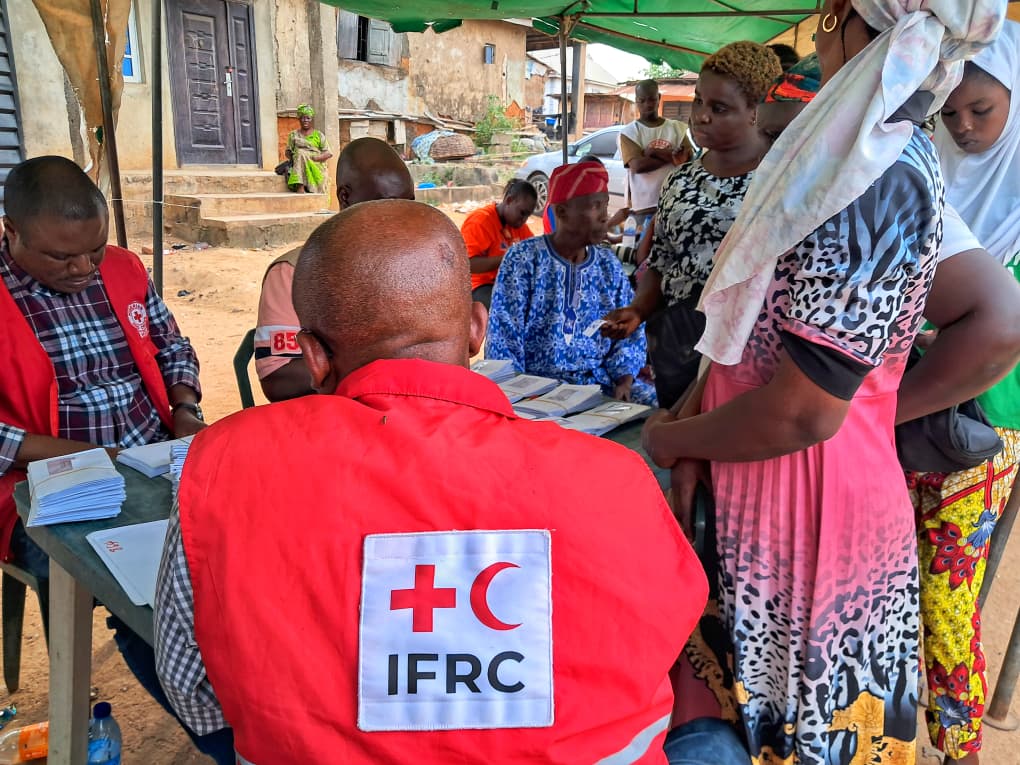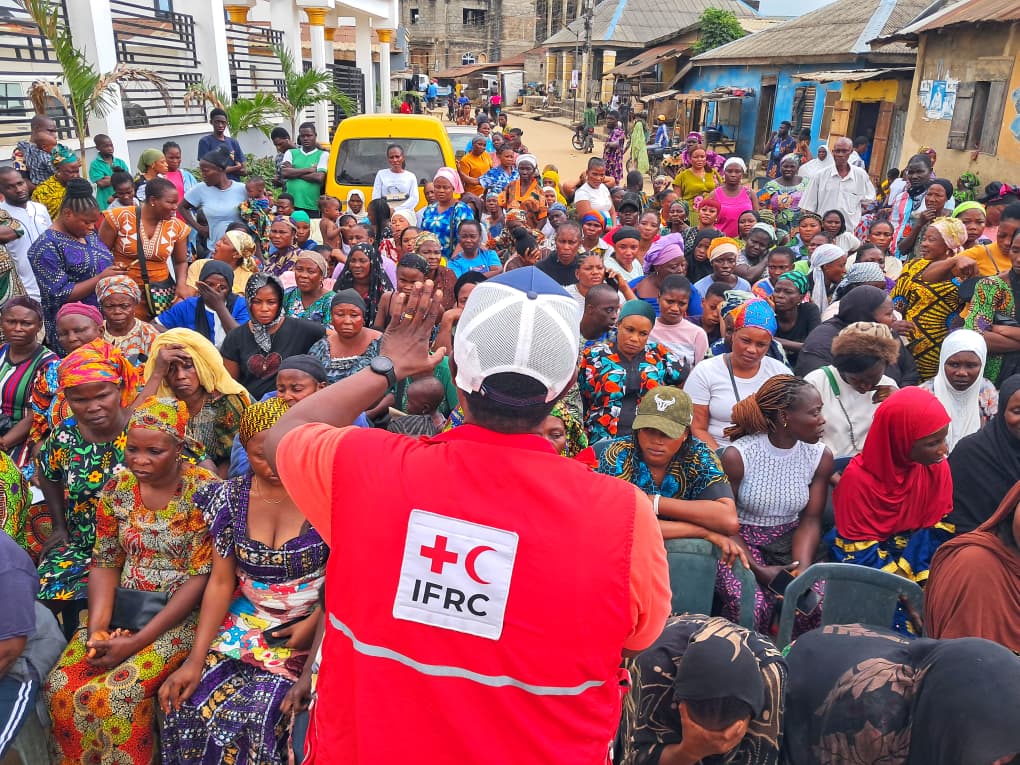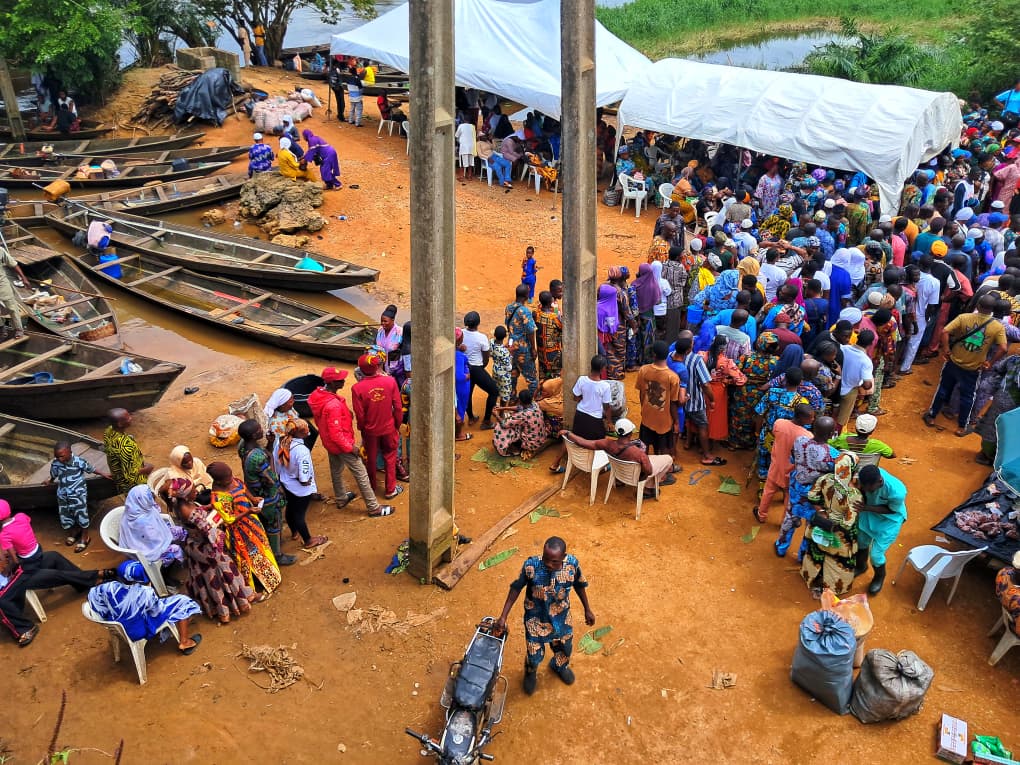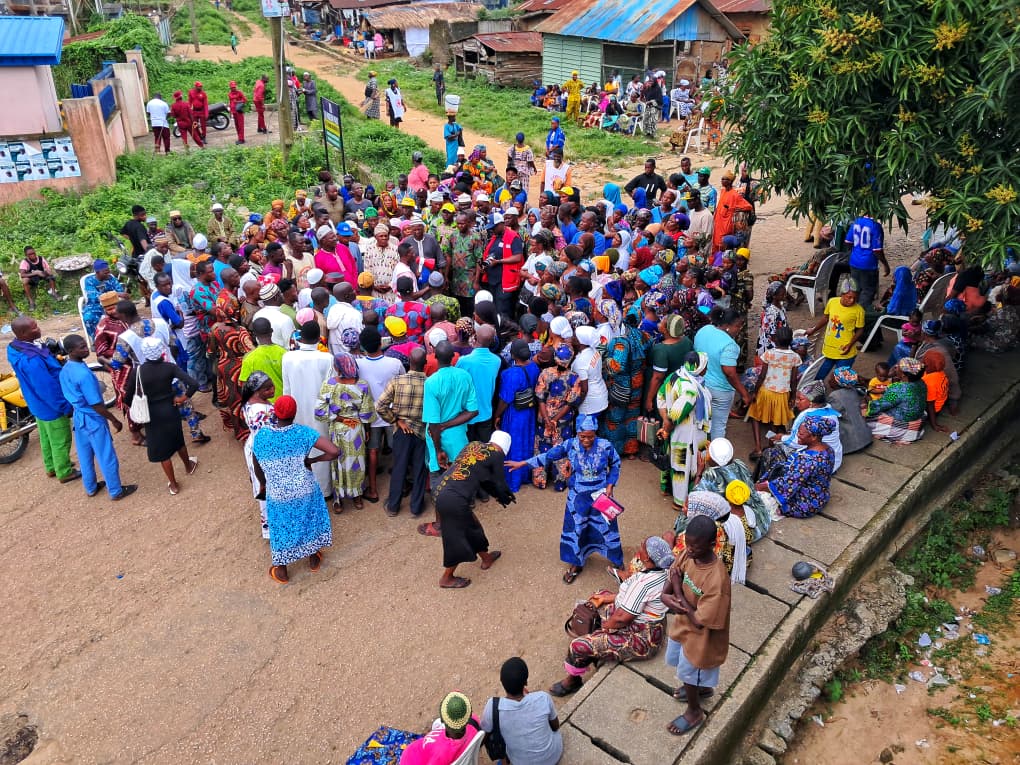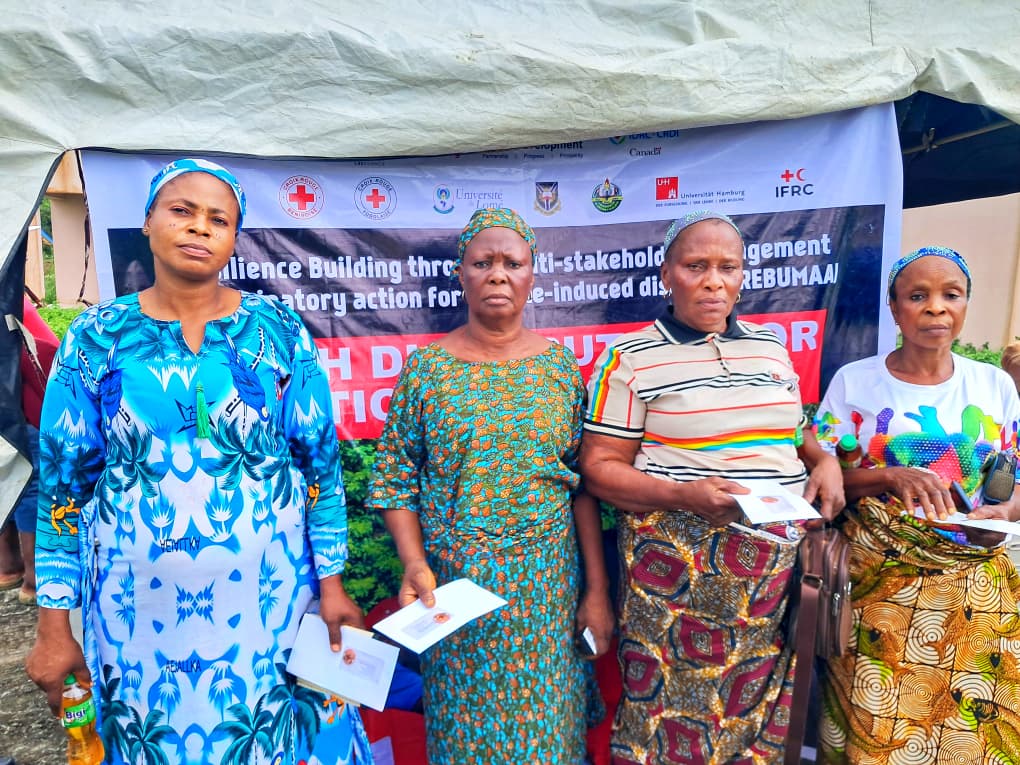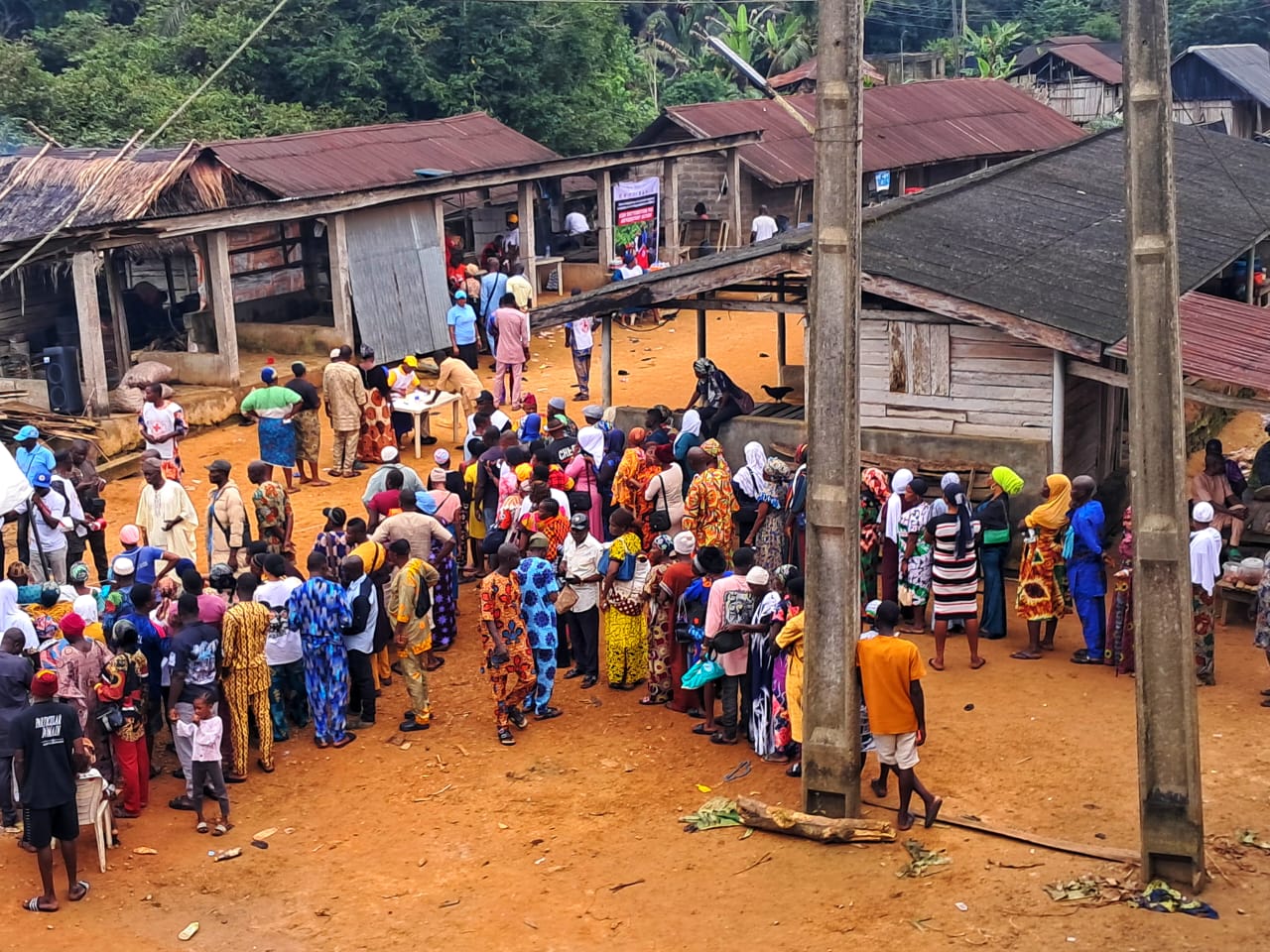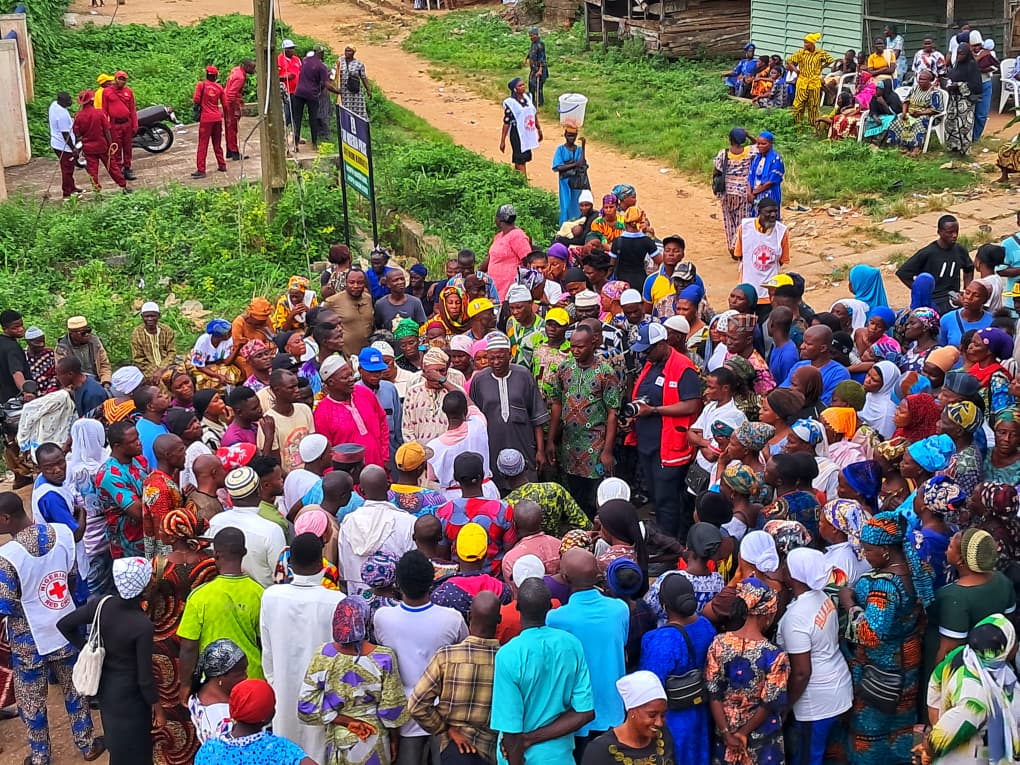




The International Federation of Red Cross and Red Crescent Societies, IFRC, in partnership with the Nigerian Red Cross Society, NRCS, has commenced Cash Voucher Assistance, CVA, for 3,000 vulnerable households in flood-prone communities across Ogun State.
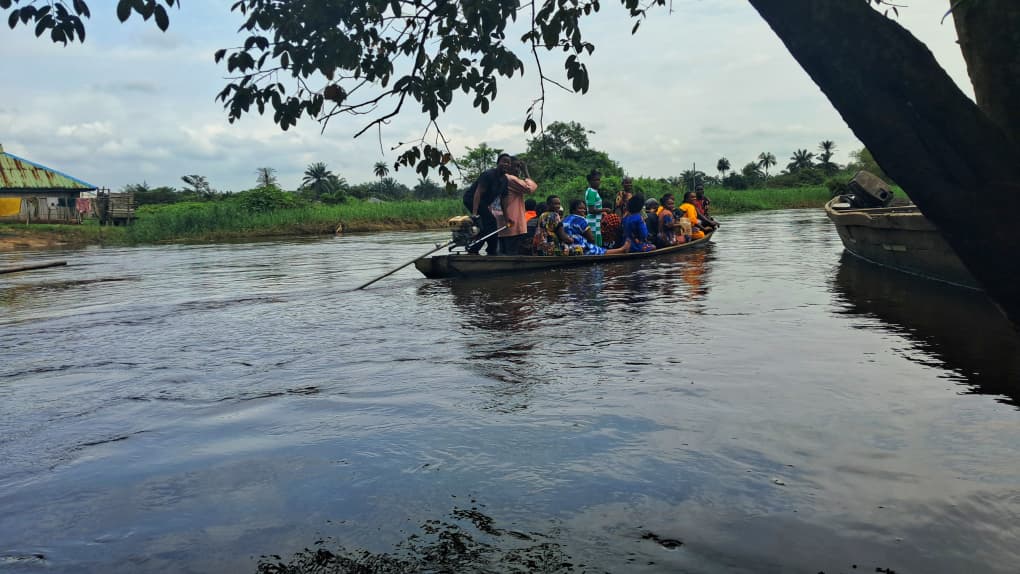
The intervention is targeted at residents of Obafemi Owode, Ogun Waterside and Abeokuta North Local Government Areas, where recurrent flooding has reportedly destroyed properties and farmlands and disrupted the livelihoods of residents.
The communities covered include Isheri and Arigbabuwo in Obafemi Owode Local Government Area, while beneficiaries in Ogun Waterside are drawn from Igele, Ibiade, Iwopin, New Camp and Sumoge.
In Abeokuta North Local Government Area, Oke Sokori, Abule Otun and other affected communities are also included in the intervention.
The cash voucher programme is being implemented under the REBUMAA initiative, an intervention designed to strengthen resilience through multi-stakeholder engagement and anticipatory action against climate-induced disasters.
The initiative is based on the principle of providing vulnerable households with assistance early enough to enable them to prepare for the impact of flooding, rather than waiting until homes, farms and other assets have been destroyed.
A statement issued by the BCO, Oduwole Oluwasegun, representing the Branch Secretary, Mr Taye Ajayo Ezekiel, said the beneficiaries were selected based on vulnerability criteria.
According to him, the selection considered factors including age, the presence of sick persons in households, persons living with disabilities and pregnant women.
He said the criteria were adopted to ensure that assistance reached households and individuals considered particularly vulnerable to the effects of flooding.
The statement read in part, “The beneficiaries were selected based on age, sick persons, people with disabilities and pregnant mothers.”
The intervention comes against the backdrop of the devastating impact flooding can have on vulnerable communities, particularly those whose livelihoods depend on farming, fishing, petty trading and other climate-sensitive activities.
When floodwaters rise, families can lose household belongings, food supplies, farm produce and other valuable assets. Farmlands may also be submerged, leaving households without income and worsening existing economic difficulties.
The cash voucher approach gives beneficiaries the flexibility to determine how best to use the assistance according to their individual needs.
The IFRC has described cash and voucher assistance as a means of enabling people affected by disasters or facing humanitarian risks to prioritise their own needs and make decisions about their families.
The organisation has also used cash assistance in previous flood interventions in Nigeria, where beneficiaries were able to meet basic needs and restore livelihoods after losing homes, farms and businesses to flooding.
For residents of the affected Ogun communities, the intervention is therefore expected to provide an opportunity to take early measures to protect household assets and prepare for possible displacement or other consequences of flooding.
See Pictures Below…