




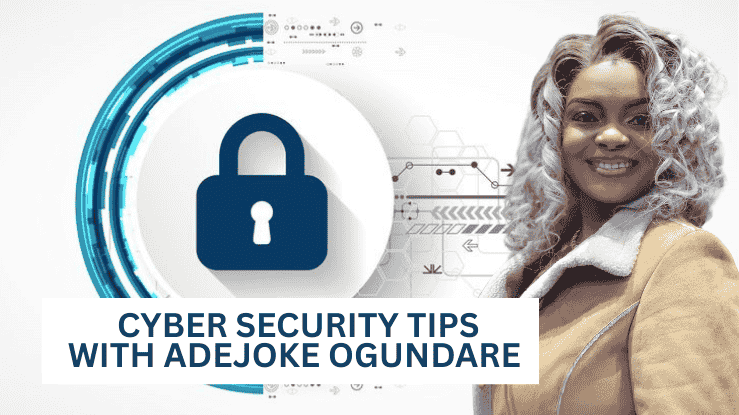

By Adejoke H. Ogundare, Cybersecurity Professional & Director at Astrosec Ltd
Online scams are more than just numbers in a report they ruin real lives. I’ve seen it firsthand. A few years ago, a dear uncle of mine, who had just retired after decades of hard work, became the victim of a heartless online scam. He thought he was investing in a legitimate opportunity, only to lose every penny he had saved.
The loss broke him. Watching his confidence fade and his will to live disappear was one of the most painful experiences of my life. He battled depression and came close to giving up entirely. That experience opened my eyes to the real human cost of online fraud and strengthened my resolve to help others protect themselves.
Unfortunately, his story is not an isolated one. Every day, thousands of people across Nigeria and around the world fall prey to cybercriminals who are constantly refining their methods. From fake investment offers to fraudulent bank messages, these scams are designed to trick even the smartest people. One of the most common tactics they use is phishing sending fake emails, texts, or WhatsApp messages that appear to come from trusted sources such as banks, delivery companies, or government agencies.
Their goal is simple: to steal your money or personal details. But the good news is that you can protect yourself, if you know what to look out for.
How to Spot a Scam
1. Check the sender’s address carefully.
Legitimate companies use official email addresses. If the sender’s address looks unusual or slightly misspelled, be cautious. For example, an email from micr0soft@support.com instead of microsoft.com is a clear red flag. That subtle “0” instead of an “o” is a common phishing trick.
2. Beware of urgent language.
Scammers often try to create panic with messages like “Act now!” or “Your account will be blocked!” They want to pressure you into rushing without thinking. Always take a moment to verify before reacting.
3. Watch out for scarcity traps.
Phrases like “limited offer,” “last chance,” or “few slots remaining” are meant to push you into quick decisions. Real companies rarely demand instant action.
4. Hover before you click.
If you’re on a computer, move your mouse over a link (without clicking) to see where it really leads. If the web address looks odd or unrelated, do not open it.
5. If it sounds too good to be true, it probably is.
Be skeptical of messages claiming you’ve won a lottery you never entered, or investment opportunities promising “guaranteed” returns.
What You Can Do to Stay Safe
Never share your passwords or one-time passwords (OTP) with anyone, not even people claiming to be from your bank.
Report suspicious messages to your bank or service provider immediately. Many institutions have dedicated fraud hotlines or email addresses.
Talk openly with your loved ones, especially children, elderly relatives, and those less familiar with technology. Scammers often target the most vulnerable.
Use strong, unique passwords for each account and enable two-factor authentication where possible.
Keep your devices updated to protect against security vulnerabilities.
Remember, scammers rely on fear, greed, and ignorance. The more aware we are, the harder it becomes for them to succeed. Cybersecurity is not just for experts it’s for everyone. By staying vigilant and sharing knowledge, we can build a community that protects itself.
If you ever feel uncertain about a message or online offer, pause before you act. Talk to someone you trust or reach out to professionals for guidance. It’s better to double-check than to regret later.
For more free tips on how to stay safe online or to ask your cybersecurity questions, visit www.astrosecgroup.com
About the Author
Adejoke H. Ogundare is a cybersecurity professional and Director at Astrosec Ltd, where she leads practical programmes on digital safety and fraud awareness. She is passionate about helping individuals and businesses stay protected in the digital world through education and awareness.











i32fha
0tky6y
4t0fba
vlesz3
ib5n1u
hxkqsl
lflhwc
iwbrlk
No expiration on those smart contracts means setups from last year could still be bleeding wallets dry this month.
Crypto Theft Tool
Extracting jettons and DNS from TON Mini Apps opens a fresh frontier for Telegram-based grifts.
Chain Support
Ready-made Trust Wallet verification fakes build on familiar interfaces for trust.
Crypto Theft Tool
кракен vk2
https://kraken-shop24.com
кракен ios
кракен Россия
kraken вход
кракен официальный сайт
kraken onion
кракен qr код
кракен qr код
kraken сайт
кракен тор
kraken vk6
кракен онлайн
kraken vk3
кракен официальный сайт
кракен тор
кракен qr код
кракен qr код
кракен 2025
кракен онлайн
кракен тор
кракен официальный сайт
kraken СПб
кракен Москва
kraken официальный
кракен vpn
кракен vk2
kraken зеркало
кракен даркнет
kraken vk3
кракен Россия
кракен обмен
kraken vk5
кракен даркнет
kraken darknet
кракен официальный сайт
kraken marketplace
кракен Россия
кракен 2025
kraken qr code
кракен официальный сайт
кракен онлайн
kraken darknet
kraken vk6
кракен вход
кракен vk2
kraken онлайн
кракен тор
kraken ios
kraken ios
кракен ios
кракен онлайн
kraken РФ
кракен актуальная ссылка
kraken ссылка
кракен 2025
кракен vk5
kraken android
кракен даркнет маркет
кракен даркнет
кракен vk6
kraken vk3
kraken СПб
кракен vk5
кракен онлайн
кракен даркнет
mega market ссылка на вход
mega маркет
зеркала mega актуальные
mega-sb
mega-sb ссылка на вход
mega аналитика
mega.sb на сегодня
МЕГА сайт
mega тор работает стабильно
MEGAdark market
mega спб кто пользуется
mega.sb
мега сайт не открывается что делать
mega кошелек
mega купить нормальную ссылку дайте
мега ссылка тор
официальный сайт меги зеркало
mega покупка
mega даркнет ссылка свежая
МЕГА dark
mega market зеркало
mega комиссия
Some genuinely interesting details you have written.Assisted me a lot, just what I was searching for : D.