




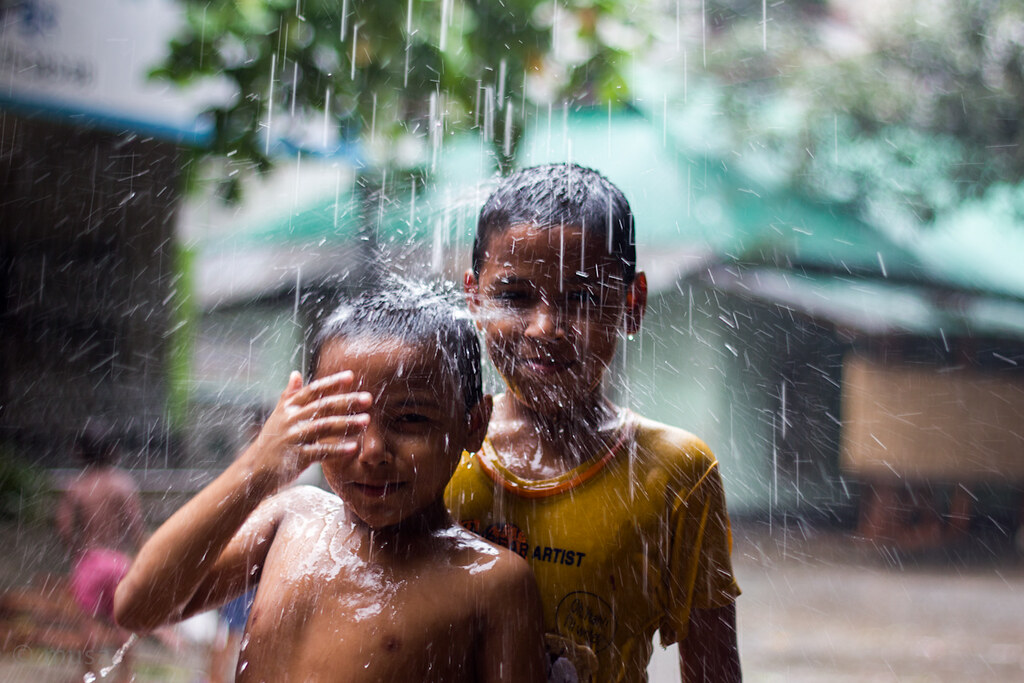
Medical experts have cautioned Nigerians against bathing with untreated rainwater, warning that the practice could expose them to skin infections such as ringworm, athlete’s foot, boils and jock itch.
The physicians explained that although rainwater appears clean, it is not sterile and can become contaminated with bacteria, fungi, chemicals, dust, bird droppings and other pollutants as it passes through the atmosphere or is collected in unclean storage containers.
Speaking on the health implications of using untreated rainwater, Professor of Medicine and Dermatology, Madubuko Roli, said repeated exposure, particularly on broken or sensitive skin, could increase the risk of fungal and bacterial infections as well as skin irritation.
According to Roli, a Consultant Physician and Dermatologist at the University of Benin Teaching Hospital, rainwater collects contaminants from the environment before it is harvested.
“One concern is fungal infections, because fungi can thrive in contaminated water containing organic debris and other pollutants.
“These infections may present as ringworm, athlete’s foot or jock itch, depending on the area of the body affected.
“Untreated rainwater may also encourage the growth of bacteria, increasing the risk of skin infections such as folliculitis and recurrent boils.
“In addition, chemicals and other pollutants present in the water may irritate the skin and trigger irritant contact dermatitis. People may experience itching, redness and skin irritation after repeated exposure,” she said.
Roli advised Nigerians who rely on harvested rainwater, especially during the rainy season, to treat or properly filter the water before using it for bathing and other domestic purposes.
She noted that maintaining good hygiene in rainwater storage systems would also help reduce contamination and improve public health.
Also speaking, toxicologist and environmental health expert, Onaeko Oluwawemimo, warned that roof harvested rainwater could contain harmful substances, including heavy metals, pesticides and disease causing microorganisms capable of affecting human health.
He said contaminated rainwater could trigger skin inflammation, allergic reactions and other skin conditions, while pathogens present in the water could also contribute to respiratory infections if inhaled through contaminated droplets.
According to him, disease causing organisms that may be found in untreated rainwater include species of Campylobacter, Salmonella, Shigella and Vibrio, among others.
Oluwawemimo urged Nigerians to adopt simple water treatment measures before using harvested rainwater.
“Rainwater safety can be improved by observing basic practices like boiling, filtering, the use of chlorine and UV disinfection. These are better ways to ensure rainwater safety,” he said.