

Every day, we click on dozens of links in emails, text messages, and social media posts without giving them much thought. But one careless click can expose your personal details, drain your bank account, or compromise your identity.
Today’s hackers are smarter than ever. They design fake websites that look identical to real ones and send convincing messages pretending to be your bank, a delivery company, or even a friend.
They often create a sense of urgency—telling you to “verify” your details or “confirm” an order. Once you click and enter your information, it’s already in the wrong hands.
Before you click any link, take a moment to check a few things. Look closely at the spelling—addresses like “facebo0k.com” or “app1e-login.net” are tricks. Don’t fall for messages that try to rush you into acting fast.
Hover over the link (on a computer) or long-press it (on a phone) to preview where it really leads. Avoid clicking on links from random DMs, unfamiliar group chats, or unverified sources.
For extra protection, install browser tools like Google Safe Browsing that can warn you before you visit risky websites.
Phishing scams work because they rely on human trust and speed. The best defense is to slow down, think carefully, and verify before you click.
For more free tips or to ask your security questions, visit www.astrosecgroup.com.
Author Bio:
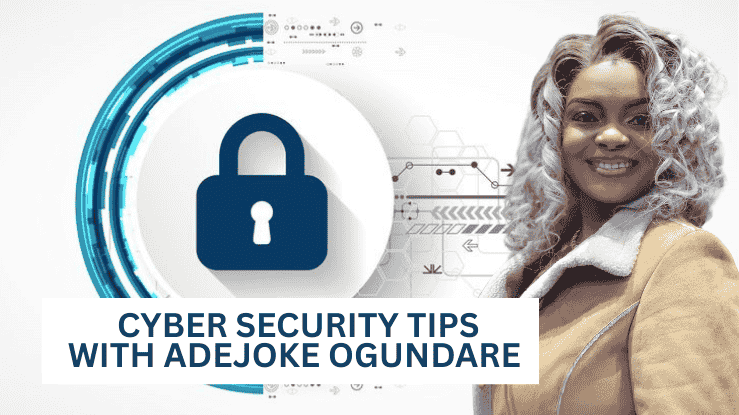
Adejoke H. Ogundare is a cybersecurity professional and Director at Astrosec Ltd, where she leads programs in digital safety, fraud awareness, and online security education.