



ALHAJI KOREDE QUADRI (KQ), FCIB
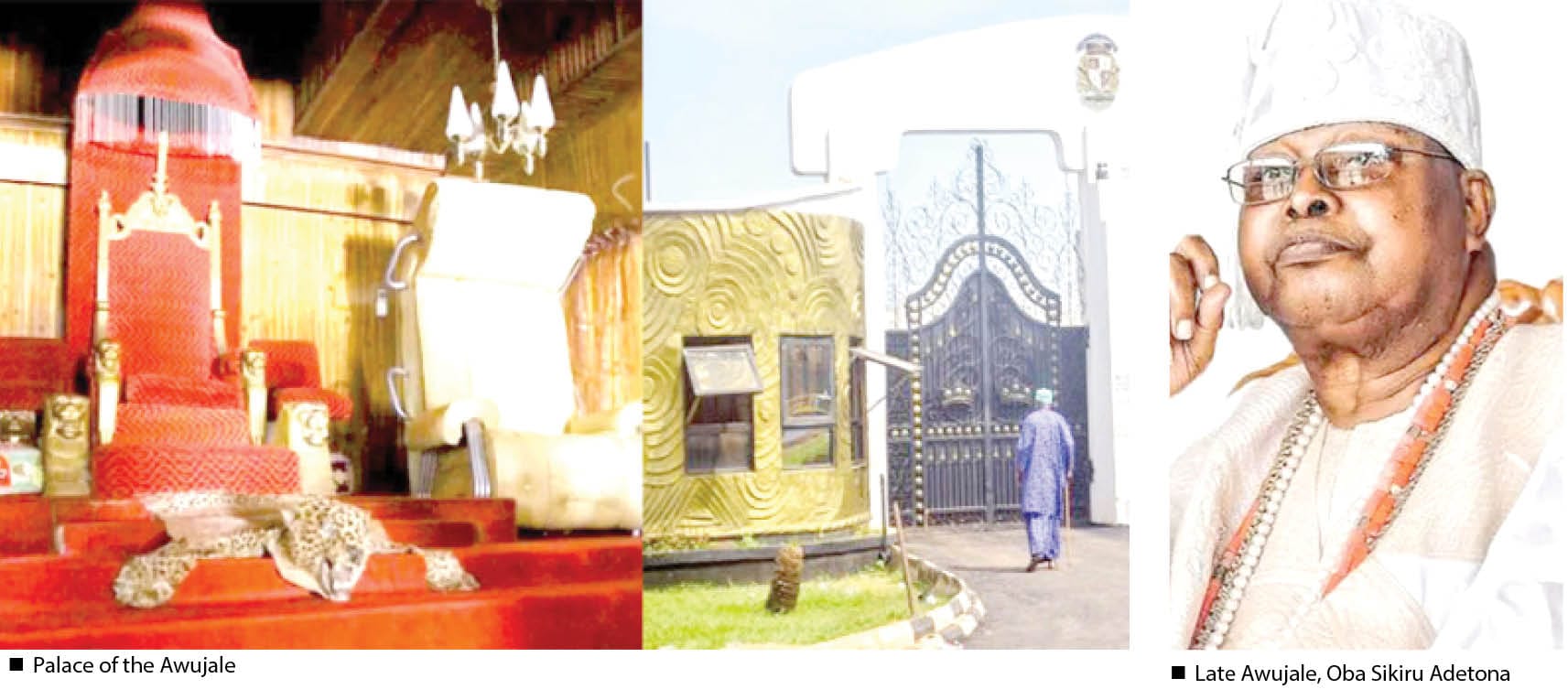
The passing of Oba Sikiru Kayode Adetona has naturally brought reflection, emotion, and conversations about the future of the Awujale stool. It is a moment that touches every Ijebu son and daughter, because the late monarch was not just a king, but a symbol of identity, unity, and continuity.
In moments like this, it is normal for questions to arise. Who comes next, how soon should the process begin, and what direction should the tradition take. But these questions must be answered with patience, not pressure, and with respect for the cultural system that has guided Ijebuland for generations.
The Ojude Oba Festival of 2026 has added another layer to this conversation. While the festival remains a celebration of heritage and pride, it has also reminded everyone that traditional structures do not disappear with time. They only become more important when transition begins.
At the centre of this discussion is the role of custodians of tradition, particularly High Chief Sunny Kuku, the Ogbeni Oja of Ijebuland. His position is not political, and it is not ceremonial in a superficial sense. It is deeply rooted in responsibility, balance, and the protection of cultural integrity.
One truth that must be stated clearly is that the selection of an Awujale is not a process that should be rushed. It is not driven by convenience or emotion. It is guided by established customs, ruling houses, and long standing traditions that predate current generations.
Ijebu tradition has always been structured in a way that prevents disorder during succession. The ruling houses are known, the process is known, and the expectations are clear. What is required at this time is discipline in allowing that system to work without interference.
There is also a need to remember that the throne of Awujale is not just a leadership position. It is a sacred cultural institution that represents the history and dignity of an entire people. Because of that, it cannot be treated like a vacant office that must be filled quickly.
The Fusegbuwa ruling house remains central in the conversation about succession. But beyond names and lineage, what matters most is that every step must follow due process. Anything outside that framework risks weakening the very foundation the institution stands on.
High Chief Sunny Kuku, as Ogbeni Oja, finds himself in a delicate position. At such a time, leadership is not about influence or pressure. It is about ensuring fairness, resisting manipulation, and allowing tradition to remain untouched by external interests.
History already provides a clear example. The late Chief Timothy Odutola, who once held the same title, is remembered for his firm stance during the emergence of Oba Sikiru Adetona. He did not allow pressure to override tradition, even when circumstances were difficult.
That example still speaks loudly today. It reminds custodians of tradition that their greatest loyalty is not to individuals or interests, but to the process that protects the integrity of the throne.
One concern that often arises during transitions like this is the fear of interference. When external voices begin to shape internal traditional matters, it creates tension and sometimes long lasting divisions. That is why the process must remain firmly within its cultural boundaries.
It is also important to understand the distinction between government recognition and traditional selection. Government has its role, but it does not replace the authority of custom. The legitimacy of an Awujale comes first from tradition before any formal recognition follows.
Ijebu unity depends heavily on how this moment is handled. A rushed or influenced process will not only affect the present but may also create challenges for future generations. Stability is always better preserved when patience is allowed to guide decisions.
High Chief Sunny Kuku carries a responsibility that goes beyond his title. He is expected to remain steady, neutral, and focused on what is right for the collective good of Ijebuland. That responsibility cannot be taken lightly in moments like this.
The respect that the Ogbeni Oja institution commands today is tied directly to how well it protects tradition during sensitive times. That respect must not be compromised under any form of pressure or influence.
In the end, what matters most is legitimacy. Whoever eventually becomes Awujale must emerge through a process that is transparent, respected, and fully rooted in tradition. Anything less will not reflect the values that Ijebuland has upheld for centuries.
This is not a moment for haste. It is a moment for wisdom, patience, and cultural responsibility. Tradition must be allowed to speak, and when it does, it must be heard clearly without interference.
To further emphasize, it is important that all stakeholders exercise restraint in their public commentary and actions in order to avoid unnecessary tension or possible litigations that may arise from misinterpretation or misrepresentation of the succession process. The Ogbeni Oja of Ijebuland, High Chief Sunny Kuku, is therefore urged to remain firm, focused, and unwavering in the discharge of his traditional duties, ensuring that every step taken remains strictly guided by established customs and the collective interest of Ijebuland.
Alhaji Korede Quadri (KQ), FCIB
Thursday, 4th June, 2026