



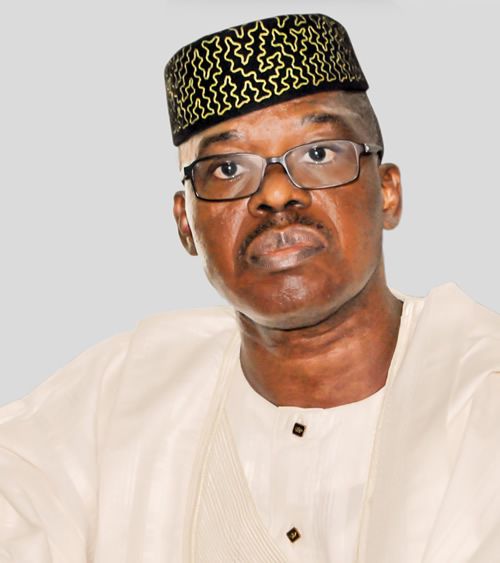
Former Ekiti State Governor, Segun Oni, on Wednesday warned that Nigeria’s democracy is gradually slipping into opportunism, driven by the proliferation of political parties and weak institutional structures.
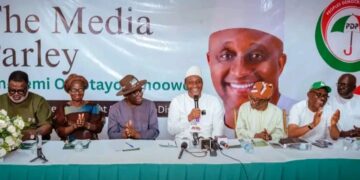
Oni spoke during a media chat on Frontline, a current affairs programme on Eagle 102.5 FM, Ilese Ijebu, Ogun State, where he called for urgent reforms to sanitise the political space and strengthen democratic practice.
He said, “To be honest, we are regressing. We are on the reverse. Going into so many political parties will never help democracy. If Nigeria had limited itself to three parties, we probably would be getting it better now. But 21 political parties or whatever number only creates opportunism.”
The former governor argued that many of the registered political parties lack structure and relevance, noting that some barely participate meaningfully in elections. According to him, “Some of these parties will hardly campaign. If they get a thousand votes, it will be by mistake. So we should review the number of political parties and set standards that determine whether they remain active or not.”
Oni proposed a performance-based system that would evaluate political parties regularly and deregister those that fail to meet minimum electoral thresholds. He said, “We should put a process in place to evaluate and weed political parties progressively every year based on performance. We should set a minimum percentage vote in national elections that a party must achieve to remain registered.”
While acknowledging that democracy thrives on plurality, he maintained that unregulated expansion weakens governance and encourages instability. “We are already corrupting democracy ourselves. If a political party is acceptable, it will reflect in votes. If it is not acceptable, it will continuously fail. Should we continue to waste national resources maintaining parties that people do not support?” he added.
On the broader political climate, Oni also cautioned against the growing dominance of a single party, warning that it could tilt the country towards a one-party system if not properly managed. He, however, stressed that the solution lies not in forming new parties but in strengthening internal party democracy and leadership.
“Setting up new parties is not an achievement. The real issue is poor management of political organisations. If we don’t fix the system, we will keep recycling the same problems under different names,” he said.