

“Act now!”
“Your account will be blocked!”
“Last chance, respond immediately!”
Urgency is one of the most powerful tools cybercriminals use. When people feel rushed, they stop thinking carefully. Scammers know this and design messages to create panic.
These messages often come through text, email, or WhatsApp, pretending to be banks, delivery companies, employers, or even relatives. The goal is to push you into making a mistake before you have time to verify the message.
Common Urgency Tricks:
Threatening to close your bank or social media account.
Claiming a payment failed and needs urgent confirmation.
Offering limited-time investment or job opportunities.
Saying your relative is in trouble and needs money quickly.
How to Protect Yourself:
Pause before responding, urgency is a red flag.
Verify the message using another method (call the bank directly).
Never click links or share codes under pressure.
Talk to someone you trust before acting.
Real organisations give you time to confirm information. If something is truly urgent, it can wait a few minutes for verification.
For more free tips or to ask your security questions, visit www.astrosecgroup.com
Author Bio
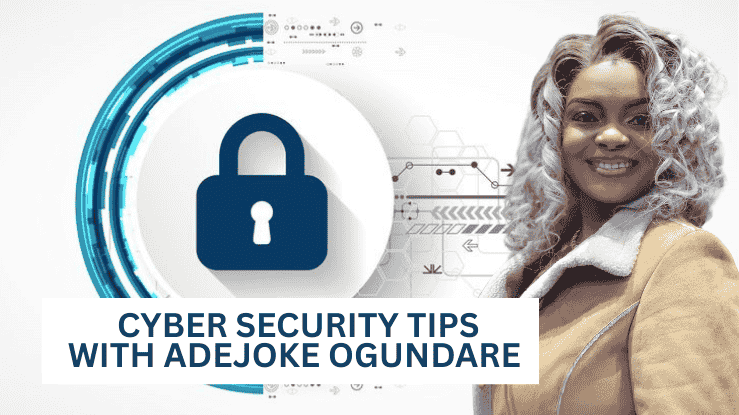
Adejoke H. Ogundare is a cybersecurity professional and Director at Astrosec Ltd, where she leads practical programmes in digital safety, fraud awareness, and online security education