



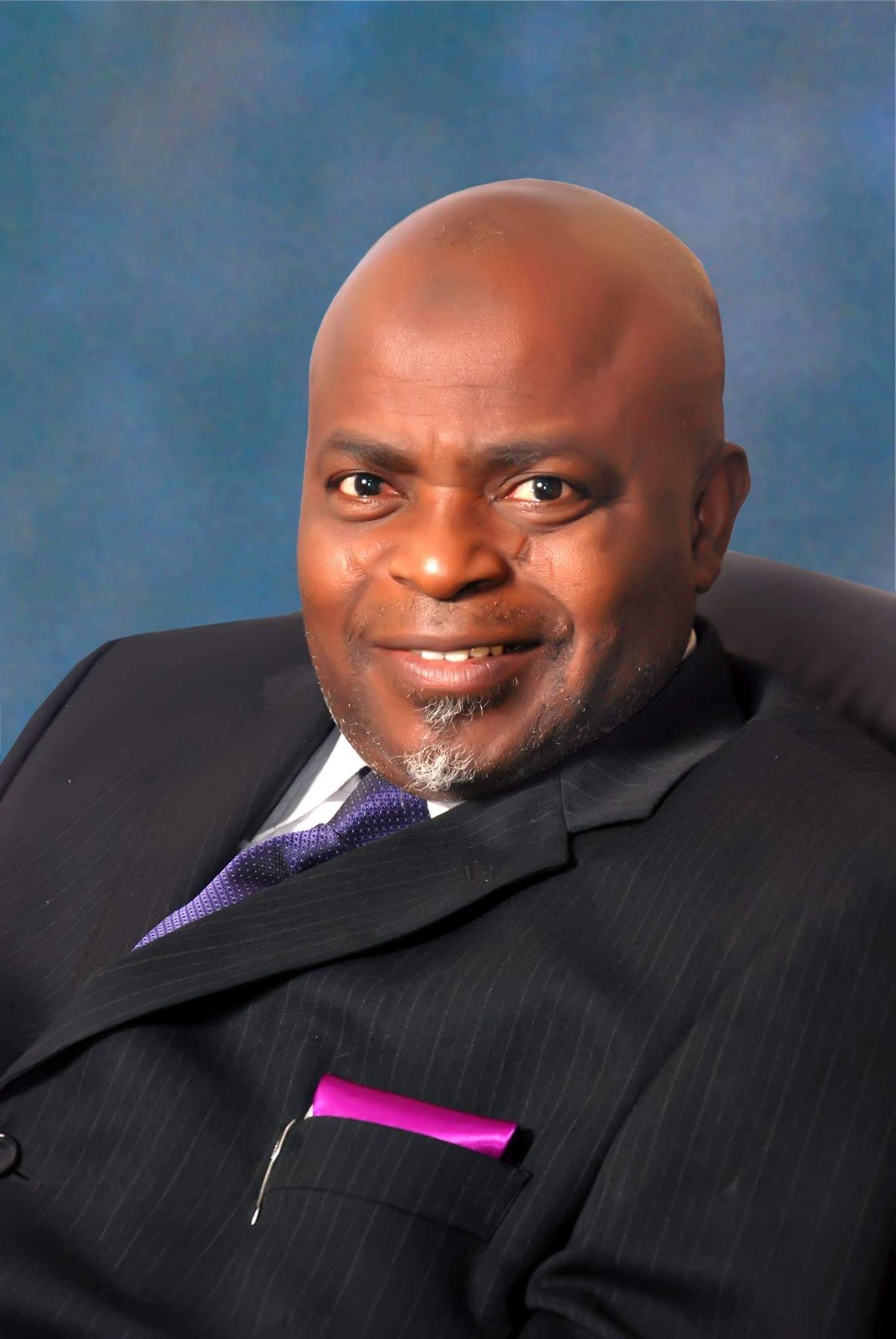
A former Speaker of the Osun State House of Assembly and ex-member of the House of Representatives, Mojeed Alabi, has said Nigeria’s democratic system should not be blamed for the country’s developmental challenges, insisting that leadership and institutional weaknesses are largely responsible for the nation’s slow progress.
Alabi made the assertion on Friday during an exclusive interview on Frontline, a current affairs programme on Eagle 102.5 FM, Ilese-Ijebu, Ogun State, while reflecting on Nigeria’s 27 years of uninterrupted democratic rule.
According to him, democracy remains the best system of governance and cannot be regarded as a factor responsible for underdevelopment.
“Democracy can never be, has never been, and will never be a factor for underdevelopment,” Alabi declared.
He explained that democracy is designed to empower citizens through participation, accountability and the freedom to make governance choices, rather than hinder development or worsen economic hardship.
The former lawmaker argued that Nigeria’s democratic experience since 1999 should be viewed within the context of a system that is still evolving.
“Democracy is not a one off thing, it is a process, it is something that has to be nurtured, something that has to be built over years, something that has to be consolidated upon before we can really reach the stage we are looking at, which is the stage in which advanced democracy of today have reach. In fact, the new language that I prefer is to say we are in an emerging democracy,” he stated.
Alabi, however, warned that the conduct of regular elections alone should not be mistaken for democratic consolidation, especially when many citizens continue to grapple with poverty, insecurity and weak institutional performance.
Referring to President Bola Tinubu’s Democracy Day address, he said the President had acknowledged the need for government to do more in delivering the dividends of democracy.
“Of course, there are challenges. And that is why I like that aspect of the president’s speech this morning, that he himself recognizes the fact that this democracy has not brought the kind of dividends that Nigerians were desiring.
“For me, that was an admittance of the fact that the government cannot rest on its hoarse, an admittance of the fact that we are not yet in our Jerusalem, an admittance of the fact that we are still on the journey towards the consolidation of our democracy,” Alabi said.
The former Speaker also linked the country’s growing insecurity to widespread poverty and economic hardship, arguing that many criminal activities thrive where citizens lack economic opportunities.
According to him, banditry, Boko Haram insurgency, armed robbery and other security challenges are symptoms of deeper socio-economic problems.
“In the midst of poverty, people are bound to have recourse to a number of things that will further compound our problem. All these challenges of insecurity, banditry, Boko Haram, armed robbery, and the rest, they are a function of the fact that our democracy has not been able to economically empower the average Nigerians to feel comfortable without resorting to an orthodox means of living life.
“Because anyone who has a better way of living will not resort to banditry, will not be thinking of how to make money outside the norm,” he said.
While acknowledging that reforms and difficult policy decisions may be necessary to stabilise the economy in the long run, Alabi stressed the need for government to ensure that the burden of such reforms is shared equitably.
He maintained that public officials must also make sacrifices and demonstrate commitment to the hardship they ask citizens to endure.
“We cannot afford to see a situation of people in government living a larger life while appealing to the average Nigerians to tighten their belts for a better future.
“If the future is going to be better for all of us, and we need to make some sacrifices at our level now for a better future, we must see that the belt tightening process revolve around all of us, whether you are in government or not, whether you belong to a political party or not, whether you are in the ruling party or in the opposition,” Alabi added.