



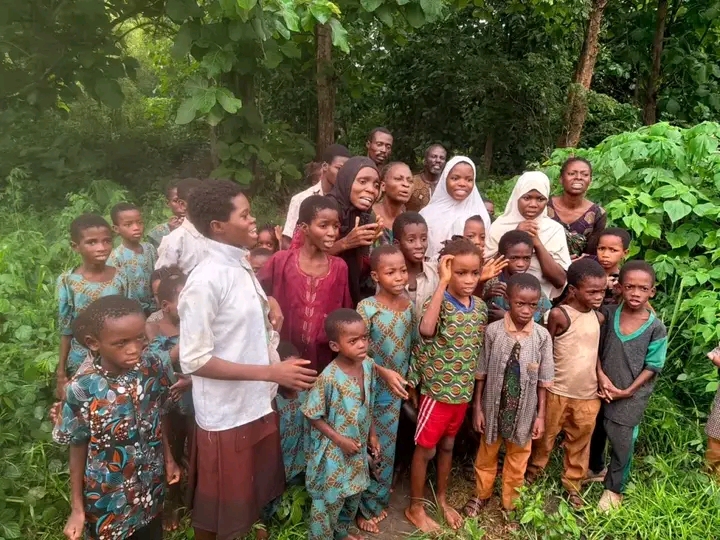
A teacher rescued after spending 56 days in captivity following the abduction of pupils and teachers from schools in Oriire Local Government Area of Oyo State has claimed that the victims were released by their captors before they were later received and escorted home by security personnel.
The teacher, Zacchaeus Olatunde, made the claim during a telephone interview aired on Nigeria Info FM on Friday, where he recounted the circumstances surrounding their captivity and eventual return.
According to Olatunde, the abductees remained blindfolded throughout their stay, making it impossible for them to determine where they were being held.
“We were blindfolded all through. We did not even know whether we were in Nigeria or another country. At some point, we thought the government had forgotten about us,” he said.
He alleged that the abductors, who communicated in Hausa, Nupe, English and Yoruba, identified themselves as members of the Islamic State West Africa Province (ISWAP), insisting they were not Boko Haram.
“They told us they were ISWAP, not Boko Haram. I was the last person captured at the school and the last to be released,” he added.
Olatunde said the captives drew strength from prayers offered on their behalf, expressing gratitude for their eventual freedom.
Describing life in captivity, he said the kidnappers provided food twice daily, consisting mainly of rice, beans, onions, margarine and salt, but prohibited them from praying during the early weeks of their ordeal.
“They later allowed us to pray after about a month, but warned us not to mention the name of Jesus or pray aloud,” he said.
He also disclosed that the teachers neither bathed nor washed their clothes throughout the 56 days they spent in the forest.
Narrating the circumstances surrounding their release, Olatunde claimed the kidnappers’ commander informed them they had been freed before directing them to leave the camp.
He explained that he was the last to leave because the key to his handcuffs had broken, adding that one of the abductors jokingly suggested cutting off his hand before another eventually removed the handcuffs with a rope.
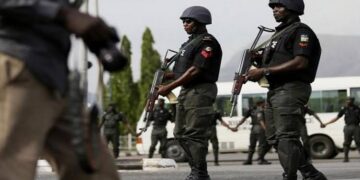
According to him, the freed captives trekked for about an hour before motorcycles provided by the kidnappers conveyed them closer to a nearby village, where they continued on foot until they encountered government officials.
He said they initially became apprehensive when they met the security personnel because they spoke Hausa and arrived in buses without number plates.
“We even asked them to show us their identity cards because we were afraid they wanted to take us somewhere else. They kept assuring us they had been sent by the government,” he said.
Olatunde also recalled helping younger pupils cross rivers during the journey out of the forest, carrying one little girl on his shoulders while using a stick to test the depth of the water before leading others across.
He said he was unable to escape during the attack on the schools because arthritis in his left leg prevented him from running.
“I hid under the grass because my clothes blended with it, but a student who refused to leave me looked in my direction, and their commander spotted me,” he said.
The teacher added that medication given to him by the kidnappers unexpectedly relieved the arthritis that had troubled him for years.
Asked whether he had received any support after regaining freedom, Olatunde said none had been provided, stressing that assistance should be directed primarily to his school.
The teachers and pupils were abducted in May when armed men attacked schools in Oriire Local Government Area.
Following their release after 56 days in captivity, Oyo State Governor Seyi Makinde announced that the victims had regained their freedom and directed that they receive medical treatment and psychosocial support.
The governor also called for a United Nations backed investigation into the abduction, saying Nigerians deserved a comprehensive account of the circumstances surrounding the incident.
However, the Special Adviser to the President on Information and Strategy, Bayo Onanuga, faulted the governor’s call, arguing that Nigeria’s military and other security agencies had already provided explanations on the operation that led to the victims’ return.