




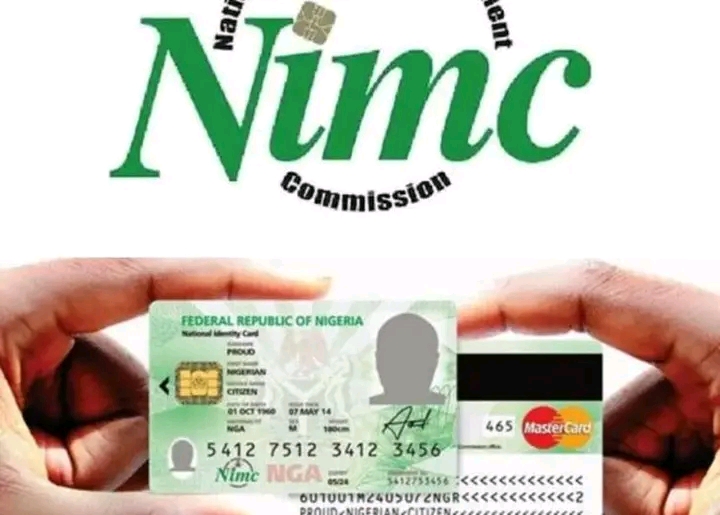
President Bola Tinubu has directed the National Identity Management Commission (NIMC) to ensure the enrolment of every Nigerian into the National Identity Number (NIN) database before the end of December 2026, in a renewed push to strengthen the country’s digital identity system and improve governance.
The Director General and Chief Executive Officer of NIMC, Abisoye Coker-Odusote, disclosed the presidential directive during an interview on Channels Television’s Sunday Politics, saying the exercise is aimed at providing the government with an accurate identity database for effective planning, security and public service delivery.
According to her, the Federal Government has mobilised resources and expanded its enrolment strategy through the World Bank-supported Identification for Development (ID4D) project, which engages accredited private sector partners to register citizens across communities nationwide.
She explained that the National Identification Number remains a unique identifier designed to ensure that every Nigerian is registered only once, noting that the commission’s upgraded biometric verification system has significantly reduced the possibility of duplicate registrations.
Coker-Odusote said the nationwide enrolment would also provide the country with a more reliable estimate of its population, as varying projections currently place Nigeria’s population between 200 million and 250 million people.
She stressed that a comprehensive identity database is critical to effective governance, saying government planning and resource allocation depend on accurate demographic data.
“We have been mandated by Mr President to go down to the community levels to enrol every single Nigerian,” she said.
Addressing concerns over multiple registrations, the NIMC chief explained that while the commission’s previous system detected duplicate enrolments only after records had been submitted, the new platform verifies applicants’ fingerprints and facial biometrics during registration, preventing individuals from obtaining more than one identity.
She added that under the new framework, both public and private institutions would rely on NIMC’s biometric verification system through Application Programming Interface (API) integration, instead of maintaining separate biometric databases.
According to her, telecommunications companies already validate subscribers’ identities in real time through NIMC’s database during SIM card registration and replacement, a measure she said has strengthened identity verification and enhanced national security.
The directive follows President Tinubu’s assent to the National Identity Management Commission Act, 2026, on June 26, replacing the 2007 law and reinforcing the Federal Government’s “One Person, One Identity” policy.